Avoid $2,000 Chimney Repairs: Creosote Removal Cost in NY, NJ & CT
Plan on $150 to $600 for most creosote removal jobs, with light buildup at the low end and heavy, glazed deposits pushing toward $600. Costs jump to $600 to $3,000 or more when Stage 3 creosote or a damaged flue liner is involved. If your chimney hasn’t been swept in over a year, book a video inspection before you accept any quote so you know which price bracket actually applies to you.
TL;DR:
- The cost of creosote removal varies widely from $150 to $600 for Stage 1 deposits and can exceed $3,000 if liner repairs or glazed buildup are involved.
- Professional video inspections and proper equipment are essential for accurate assessment, with DIY methods limited to Stage 1 creosote and insufficient for deeper buildup or damage detection.
- Cost differences between quotes mainly stem from chimney height, number of flues, creosote stage, and potential repair needs, rather than markup.
- Creosote at Stage 3 is both hazardous and costly to remove, often indicating underlying liner or structural damage that requires separate repairs.
- Regular annual inspections and documented professional cleanings are recommended to prevent dangerous buildup and detect damage early.
Table of Contents
- Creosote Removal Cost by Stage: What You’re Actually Paying For
- Is DIY Creosote Removal Worth the Risk?
- What Makes a Chimney Sweep Quote Go Up?
- What Does a Professional Chimney Sweep Actually Do?
- When Does Creosote Removal Turn Into a Repair Job?
- How to Get a Fair Chimney Sweep Quote
- How Often Should You Really Clean Your Chimney?
- Why We Recommend a Professional Inspection Every Time
- Book a Chimney Sweep and Inspection in NY, NJ, or CT
- Sources
- FAQ
Creosote Removal Cost by Stage: What You’re Actually Paying For
The price of clearing your chimney depends almost entirely on how far the creosote has progressed, not just how long it’s been since your last sweep. Chimney sweeps and inspection companies generally break creosote into three stages, and each one calls for a different tool, a different amount of labor, and a very different bill.

Stage 1 costs $150 to $300. This is flaky, soot-like creosote that a standard rotary brush clears in one visit. Most homeowners who burn seasoned wood and sweep annually never see anything worse than this.
Stage 2 costs $300 to $600. The deposits harden into a tar-like layer that resists a basic brush, so the technician needs rotary power tools and more time on the ladder. Standard sweeps in this range usually still finish in one appointment, just a longer one.
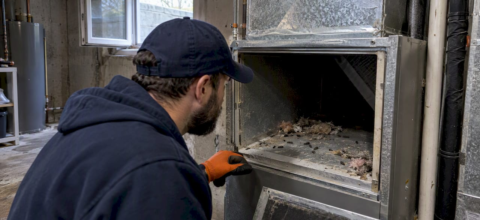
Stage 3 costs $600 to $3,000 or more. This is glazed, shiny creosote, and it’s genuinely dangerous. It often requires chemical treatment to soften the glaze before mechanical removal, multiple appointments, and sometimes exposes liner damage that adds to the bill.
Here’s how those numbers play out in real scenarios:
- A single-flue, single-story home with annual maintenance: typically $150 to $250
- A two-flue, two-story colonial with moderate buildup: $350 to $700
- A property with Stage 3 glazing plus a cracked liner discovered mid-inspection: $1,200 to $3,000+
The gap between the cheapest and most expensive scenario isn’t random. It reflects real differences in labor hours, equipment, and what the technician finds once the camera goes up the flue. For a closer look at how these numbers shift by property type, see this breakdown of chimney cleaning costs across the region.
Is DIY Creosote Removal Worth the Risk?
A basic DIY brush kit runs $30 to $80, and it genuinely works on Stage 1 deposits near the firebox. That’s the honest limit of what it does.

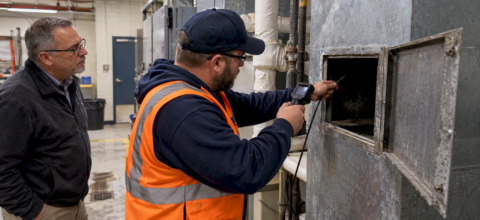
University of Idaho Extension research notes that DIY tools can’t safely remove Stage 2 or Stage 3 buildup, and they can’t inspect the upper flue sections where hidden damage tends to hide. Professionals bring rotary chains, industrial vacuums, and a video camera that scans the entire flue, not just the section you can reach from the firebox.
There’s also a paper trail difference that matters more than most homeowners realize:
- DIY cleaning leaves no documentation your insurer will recognize
- CSIA-certified sweeps provide written inspection reports many policies specifically require
- A camera scan can catch cracked tiles or moisture damage before it becomes a bigger problem
- Chemical creosote removers sold at hardware stores have limited effect on glazed Stage 3 buildup on their own
Pro Tip: If you’ve never had a video inspection done, treat your first professional sweep as a baseline. It tells you exactly what stage you’re dealing with, so every future DIY attempt (or decision to skip one) is based on facts, not guesswork.
Skipping a professional sweep to save $200 can turn into a $2,000 liner repair if moisture damage or Stage 3 glazing goes unnoticed for another season.
What Makes a Chimney Sweep Quote Go Up?
Two quotes for the same-sounding job can differ by hundreds of dollars, and it’s rarely because one company is padding the bill. Real cost drivers explain most of the gap:
- Roof access and chimney height add $50 to $200. A steep pitch or a three-story chimney means more setup time, ladders, and fall protection.
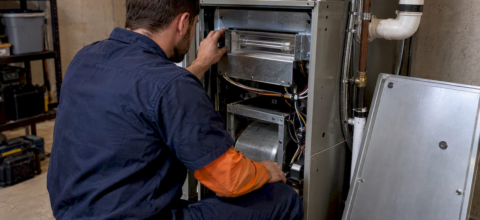
- Number of flues adds $75 to $150 per additional flue. A home with a fireplace flue and a separate furnace flue pays for two inspections, not one.
- Creosote stage drives labor hours directly. Stage 2 and Stage 3 jobs simply take longer to finish safely.
- Repairs found during inspection get quoted separately from the sweep itself. A cracked crown or damaged parging isn’t part of the base price.
- Emergency or off-season timing can add a premium. Calling in December when every sweep in your county is booked solid costs more than scheduling in August.
Roof access alone explains a lot of quote variation in older homes, especially in parts of New Jersey and Connecticut with steep rooflines or tricky dormer setups. Anyone who’s had roof work done knows that access and cleanup considerations change the math on any job that requires ladder work, and chimney sweeping is no exception.
What Does a Professional Chimney Sweep Actually Do?
A legitimate inspection isn’t just someone poking a brush up your flue and calling it done. The workflow matters as much as the price.
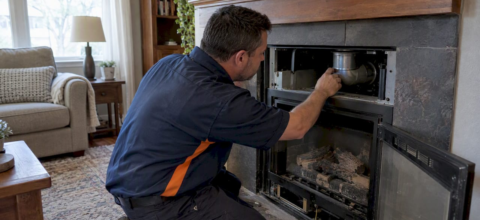
A typical visit starts with a few questions before the technician even arrives: appliance type, number of flues, last cleaning date. On site, the process usually runs:
- A video camera scan of the full flue, not just the visible sections
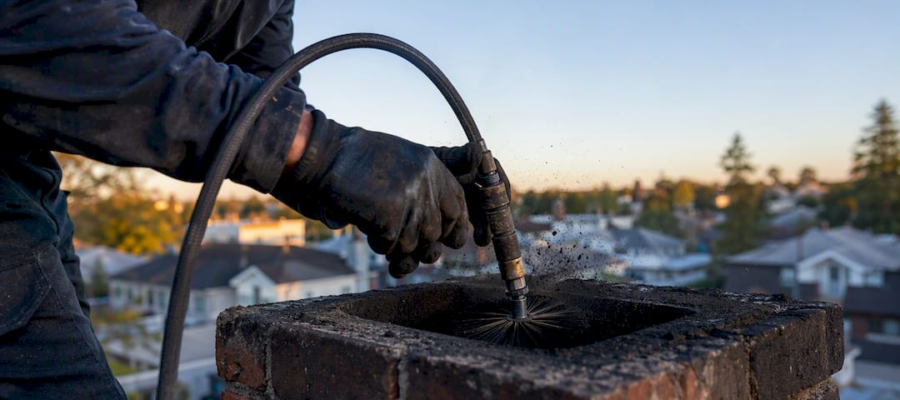
- Mechanical removal with rotary brushes or chains sized to the flue
- Industrial vacuuming to contain dust and debris
- A final visual inspection and written report
House fires with a known heating source involve creosote buildup or chimney issues, which is exactly why the camera scan matters more than the brush work. You can’t price or fix damage you haven’t seen.
The report you should walk away with lists the creosote stage found, any damage noted, photos or video stills, and an itemized invoice. That documentation is what an insurer or a future home buyer will actually ask for. Amazon Air Duct Cleaning’s fireplace cleaning workflow follows this same structure for every appointment across NY, NJ, and CT.
When Does Creosote Removal Turn Into a Repair Job?
Sometimes the sweep is the easy part, and the real cost shows up once the camera finds something structural.
Common triggers include a cracked flue tile, failed parging in the smoke chamber, or moisture damage from years of condensation mixing with creosote residue. None of these are cleaning problems. They’re repair problems that a sweep alone won’t fix.
- Stainless steel liner replacement: often $1,500 to $4,000 depending on flue length and diameter
- Crown repair or rebuild: typically $300 to $1,500
- Smoke chamber parging: usually $300 to $900
Stage 3 creosote is frequently the reason liner damage gets discovered in the first place. The glaze traps moisture against the liner material, and years of that cycle weaken tile joints. If a technician recommends liner replacement, get a second opinion with its own camera inspection before signing off. A $2,000 recommendation deserves a second set of eyes.
How to Get a Fair Chimney Sweep Quote
Before you call anyone, gather a few basics: your appliance type (wood stove, open fireplace, gas insert), number of flues, any access notes like a steep roof, and the date of your last cleaning. That five-minute prep step gets you a more accurate phone quote.
When you call, ask these questions directly:
- “Do you use a video camera for inspections?”
- “Are your technicians CSIA-certified?”
- “Is any repair work itemized separately from the sweep price?”
- “Can I get a written estimate before you start?”
Pro Tip: Ask for the itemized estimate in writing before the technician starts work, not after. A company confident in its pricing will hand it over without hesitation.
Watch for red flags: a vague scope of work, a single flat “repair” line item with no breakdown, or pressure to sign a contract on the spot. Legitimate companies expect you to compare bids and won’t rush you.
How Often Should You Really Clean Your Chimney?
NFPA guidance calls for annual inspections on every chimney, fireplace, and vent, with cleaning recommended based on what that inspection finds. The common rule of thumb: sweep once per burning season, or after every two cords of wood.
If you burn green or poorly seasoned wood, or you use your fireplace nearly every night through a New England winter, that timeline shrinks. Heavier use means faster creosote buildup, sometimes reaching Stage 2 within a single season.
- Annual inspection minimum, regardless of how much you burn
- Documented CSIA inspections help with insurance claims after any chimney-related incident
- Written reports and photos support resale value when you sell your home
Why We Recommend a Professional Inspection Every Time
After years serving homeowners across New York, New Jersey, and Connecticut, we’ve seen how often a “quick DIY sweep” hides a Stage 2 or 3 problem nobody caught. We provide written estimates and video inspections on every job, no exceptions. If you’re unsure what stage your chimney is at, request a quote and we’ll show you exactly what the camera finds.
— Victor
Book a Chimney Sweep and Inspection in NY, NJ, or CT
Amazon Air Duct Cleaning is the direct alternative to guessing your way through DIY creosote removal: you get a certified technician, a full video scan, and a written report with every visit, not just a brush and a bill. That documentation is what separates a quote you can trust from one you’re hoping is accurate.

Our chimney sweep and inspection service covers homeowners and property managers throughout New York, New Jersey, and Connecticut. Every appointment includes a pre-visit conversation about your flue setup, an on-site camera scan, mechanical cleaning matched to whatever creosote stage we find, and a written report with photos, so you have documentation ready for your insurer or a future buyer. If repairs come up, we itemize them separately from the cleaning cost, so you always know what you’re paying for and why.
Ready to find out exactly what stage your chimney is at? Schedule your chimney sweep and inspection today and get a written estimate before any work begins.
Sources
For deeper detail on inspection standards and certification, consult the National Fire Protection Association for inspection frequency guidance and the Chimney Safety Institute of America for certified sweep documentation and insurance-related standards.
- National Fire Protection Association (NFPA)
- Chimney Safety Institute of America (CSIA)
- How Much Does a Chimney Sweep Cost? | HireLocal
- The creosote problem, chimney fires, and chimney cleaning — University of Idaho Extension
- Chimney Creosote: 3 Stages, Dangers & How to Remove It — Pro Chimney Sweeping
FAQ
How Much Does It Cost to Remove Creosote From a Chimney?
Most jobs run $150 to $600 depending on the creosote stage, with Stage 3 buildup or liner repairs pushing costs to $600 to $3,000 or more.
What Is the Best Way to Remove Creosote From a Chimney?
Professional mechanical removal with rotary brushes, chains, and industrial vacuums works best; a CSIA-certified sweep can also spot and treat Stage 3 glazing that DIY tools can’t safely handle.
How Often Should Creosote Be Removed?
NFPA guidance recommends annual inspections, with cleaning typically needed once per burning season or after every two cords of wood, sooner if you burn frequently or use unseasoned wood.
Does Creosote Remover Really Work?
Over-the-counter chemical creosote removers have limited effect on hardened Stage 2 or glazed Stage 3 deposits and work best as a supplement to mechanical cleaning, not a replacement for it.
Recommended
- Chimney Cleaning Cost: What Homeowners Pay in 2026
- Top 7 benefits of chimney cleaning for NY, NJ & CT homes
- Top Reasons to Schedule Chimney Sweeps for Homeowners
- Fireplace Cleaning Workflow: What to Expect in NY/NJ/CT