What Is Post-Cleaning Inspection and Why It Matters
TL;DR:
- A post-cleaning inspection is a structured quality-control walkthrough conducted immediately after cleaning to ensure standards are met for cleanliness, safety, and functionality. It involves visual, functional, and sensory checks across all areas, with documentation to support accountability and continuous improvement. Conducted after all work is finished, these inspections help verify genuine cleanliness and prevent overlooked problems, especially in HVAC systems and hard-to-see hidden spots.
A post-cleaning inspection is a quality-control walkthrough performed immediately after cleaning is complete to verify that a space meets agreed cleanliness, safety, and readiness standards. In professional cleaning circles, this process is also called a cleaning quality inspection or post-cleaning audit. Whether you manage a vacation rental in New Jersey, run a commercial facility in New York, or simply want to confirm a cleaning crew did the job right in your Connecticut home, this final verification step is what separates a genuinely clean space from one that only looks clean at first glance. This article walks you through what the process involves, how it ensures consistent quality, and how to conduct one effectively.
What does a post-cleaning inspection involve?

A post-cleaning inspection covers both visual and functional checks across every area of the cleaned space. It is not limited to spotting visible dirt. Vacation rental inspections, for example, confirm guest-ready status by assessing appliances, security features, and comfort items alongside surface cleanliness. This broader scope is what makes a structured inspection genuinely useful.
A typical post-cleaning checklist covers the following areas in sequence:
- Floors and surfaces. Check for residual dust, stains, streaks, or missed spots on hard floors, carpets, and countertops.
- Fixtures and fittings. Inspect sinks, faucets, toilets, light switches, and door handles for smudges, soap residue, or buildup.
- HVAC vents and air quality touchpoints. Confirm vents are free of visible dust and that airflow is not obstructed. This step is especially relevant in post-renovation cleanings where construction debris can settle inside duct systems.
- Safety and functional items. Test locks, smoke detectors, and appliances to confirm they are operational and not obstructed by cleaning products or moved furniture.
- Odor and sensory check. Walk through each room and note any lingering chemical smells, mustiness, or signs of moisture that visual checks alone would miss.
- Documentation. Record findings with timestamped notes or photos. Photo-evidenced documentation is considered part of the inspection itself in professional workflows, not an optional add-on.
In post-construction contexts, the inspection-ready phase is the final clean stage that follows rough cleaning (debris removal) and light cleaning (dust and smudge removal). Scheduling this final phase only after all trades have finished prevents rework caused by ongoing construction activity re-contaminating freshly cleaned surfaces.
Pro Tip: Use a room-by-room scoring sheet rather than a single pass-fail judgment. Scoring each area separately gives you a clear record of where standards were met and where corrective action is needed, which is far more useful if you need to follow up with a cleaning provider.

How do post-cleaning inspections ensure quality and consistency?
Structured inspection programs are more than spot checks. Commercial cleaning inspections use defined checklists, scheduled inspection cycles (daily, weekly, and monthly), scoring systems, and assigned responsibilities to maintain consistent quality over time. This SOP-based framework is what separates a professional cleaning program from an informal one.
The key mechanisms that make inspections reliable include:
- Scoring and evaluation criteria. Pass/fail systems or numerical scores give cleaning teams objective feedback rather than vague complaints. A score of 85 out of 100 tells a supervisor exactly where performance fell short.
- Assigned responsibility. Inspections conducted by supervisors or facility managers carry more weight than self-assessments by the cleaning crew. Assigning a named inspector to each cycle creates accountability.
- Corrective action protocols. When a deficiency is found, the inspection record should specify what needs to be fixed, who is responsible, and by what deadline. Without this step, the inspection is just a record of problems with no path to resolution.
- Scheduled frequency. One-time inspections catch problems after the fact. Scheduled post-cleaning evaluations catch patterns, such as a recurring issue with a specific room or a consistent gap in a particular cleaning task.
“Janitorial inspections function as a report card for cleaning teams, creating accountability and driving continuous improvement across the entire cleaning program.” Janitorial Inspections: What They Are and Why They Matter
The timing of inspections also matters more than most people realize. Inspections performed post-cleaning but before spaces resume use produce the most accurate quality scores because new foot traffic or activity has not yet introduced contamination. Conducting an inspection after a space has been in use for several hours skews the results and makes it harder to hold the cleaning team accountable for specific deficiencies.
Residential vs. commercial: how do inspection focuses differ?
The core purpose of a post-cleaning inspection is the same in both settings, but the specific focus areas and standards differ significantly. Understanding these differences helps you apply the right checklist for your situation.
| Focus Area | Residential (e.g., vacation rentals, homes) | Commercial (e.g., offices, healthcare, retail) |
|---|---|---|
| Primary standard | Guest readiness, comfort, and safety | Hygiene compliance, operational continuity, and legal standards |
| Key checklist items | Appliances, linens, locks, odor, restocking supplies | Restrooms, common areas, HVAC systems, waste disposal, floor care |
| Inspection frequency | After each guest turnover or cleaning session | Daily, weekly, and monthly cycles depending on facility type |
| Documentation style | Photo logs for dispute resolution with guests | Formal audit reports for regulatory compliance or contract management |
| Unique challenge | Subjective comfort standards vary by guest | High-traffic areas require more frequent re-inspection between cycles |
Residential inspections, particularly for vacation rentals in New York and New Jersey, focus heavily on the guest experience. A missed hair in the bathroom or a stale odor in the bedroom generates a negative review that affects future bookings. Commercial inspections, by contrast, are tied to operational and legal requirements. A healthcare facility in Connecticut that fails a cleaning audit faces regulatory consequences, not just a bad review.
Pro Tip: For residential properties, walk through the space as a guest would, not as the person who just cleaned it. Sit on the couch, open the refrigerator, and check the shower. This perspective shift reveals issues that a standard visual walkthrough from the doorway will miss every time.
How to conduct an effective post-cleaning inspection
A well-run post-cleaning audit follows a repeatable workflow. The steps below apply to both residential and commercial settings, with adjustments for scale and complexity.
- Wait for cleaning to be fully complete. Starting an inspection before the crew has finished creates confusion and inaccurate results. Confirm that all cleaning tasks are done before you begin.
- Use a standardized checklist. A structured cleaning checklist removes guesswork and keeps every inspection consistent regardless of who conducts it. Generic mental walkthroughs miss items that a written checklist catches.
- Inspect in a fixed sequence. Move room by room in the same order every time. Starting at the entrance and working toward the back of the space prevents you from skipping areas or double-checking the same zone twice.
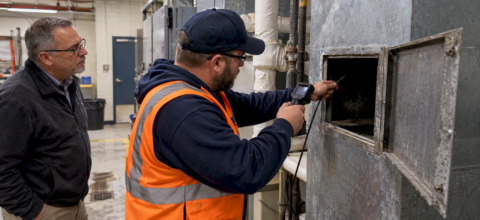
- Go beyond visual checks. Efficient inspections include checking for dust, stains, odor, and functional supplies. In healthcare or food-service environments, UV lamps or ATP (adenosine triphosphate) tests detect invisible microbial contamination that visual checks cannot identify.
- Document findings immediately. Take photos of deficiencies before they are corrected. Timestamped evidence prevents disputes and provides a clear record for follow-up.
- Assign corrective actions before leaving. Do not leave the inspection without specifying what needs to be fixed and who is responsible. An inspection that ends without a corrective action plan is incomplete.
A few areas that most people miss during cleaning verification:
- HVAC vents and return air grilles, which collect dust quickly and are easy to overlook
- The tops of door frames and ceiling fans, which are above eye level during a standard walkthrough
- Under furniture and appliances, where debris accumulates during cleaning and gets pushed rather than removed
- Drains and garbage disposals, which can harbor odors even when surfaces look clean
Inspection timing is a factor that professionals treat seriously. In post-construction settings, premature final cleaning followed by additional trade work forces costly touch-ups. The same principle applies to any cleaning context: inspect at the right moment, after all work is done and before the space is put back into use.
Key takeaways
A post-cleaning inspection is the structured, documented final step that confirms a space is genuinely clean, safe, and ready for use, not just visually tidy.
| Point | Details |
|---|---|
| Definition and scope | A post-cleaning inspection verifies cleanliness, safety, and functionality using checklists and documentation. |
| Timing matters | Inspect after all work is complete and before the space resumes use for accurate, unbiased results. |
| Residential vs. commercial | Residential inspections prioritize guest comfort; commercial inspections focus on compliance and operational standards. |
| Documentation is non-negotiable | Timestamped photos and corrective action records prevent disputes and drive accountability. |
| Go beyond visual checks | Sensory tests, functional checks, and tools like ATP tests catch what the eye misses. |
Why I think most people underestimate the inspection step
I have seen this pattern repeatedly: a cleaning job gets done, someone does a quick visual scan, and the space is declared ready. Then a guest checks in and finds a dusty vent above the bed, or a facility manager gets a complaint about a restroom that was technically cleaned but not inspected. The cleaning itself was fine. The inspection step was skipped or rushed.
What most people miss is that a post-cleaning inspection is not a judgment of the cleaning crew. It is a quality assurance process that protects everyone involved, including the client, the cleaning provider, and the end user of the space. When you document findings consistently, you build a record that shows what was done, when, and to what standard. That record is worth more than any verbal assurance.
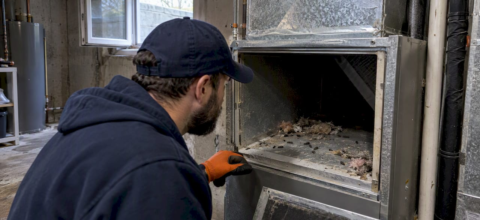
The other thing worth sitting with for a moment is the HVAC component. In my experience working with residential and commercial clients across New York, New Jersey, and Connecticut, air ducts and vents are the most consistently overlooked items on any post-cleaning checklist. Surfaces get cleaned. Floors get mopped. But the air circulating through the space carries dust, allergens, and debris that no surface-level inspection catches. A post-renovation duct inspection after any construction or deep cleaning project is not optional if you want the space to be genuinely clean. It is the step that closes the loop.
— Victor
How Amazonairpro supports your post-cleaning inspection process

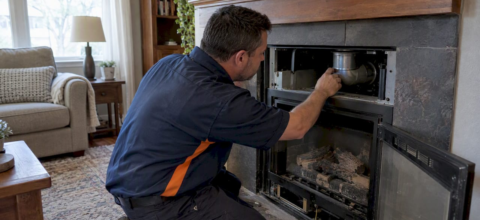
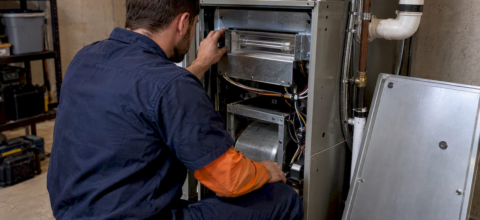
When your post-cleaning checklist includes HVAC vents, air ducts, or dryer vents, those items require more than a visual check. Amazonairpro provides professional air duct cleaning for residential and commercial clients across New York, New Jersey, and Connecticut, with over 10 years of experience helping properties pass inspections and maintain healthy indoor air quality. Our team also offers dryer vent cleaning and chimney cleaning services to cover every component of a thorough post-cleaning audit. If your space needs to be genuinely inspection-ready, not just surface-clean, Amazonairpro is the team to call.
FAQ
What is a post-cleaning inspection?
A post-cleaning inspection is a structured quality-control walkthrough conducted after cleaning is complete to verify that a space meets cleanliness, safety, and readiness standards. It typically uses a checklist and includes documentation of any deficiencies found.
What should be on a post-cleaning checklist?
A post-cleaning checklist should cover floors, fixtures, HVAC vents, appliances, safety items like locks and smoke detectors, odor checks, and restocked supplies. Commercial checklists also include restrooms, waste disposal, and compliance-specific items.
How often should post-cleaning inspections be conducted?
In commercial settings, inspections are typically scheduled daily, weekly, and monthly depending on the facility type and traffic level. In residential settings like vacation rentals, an inspection should be completed after every cleaning session before a new guest arrives.
Why is documentation part of the inspection process?
Timestamped photos and written corrective action records prevent disputes between clients and cleaning providers and create a reliable performance history. Documentation is considered a core component of professional cleaning verification workflows, not an optional extra.
Do post-cleaning inspections include HVAC and air duct checks?
Yes. A thorough post-cleaning evaluation includes checking HVAC vents and return air grilles for dust and debris. In post-construction or post-renovation contexts, a professional duct cleaning inspection is recommended to confirm that construction debris has not contaminated the duct system.
Recommended
- Why clean vents before selling: boost value & appeal – Amazon Air Duct Cleaning
- Post-renovation duct cleaning: benefits & full guide – Amazon Air Duct Cleaning
- What Is Vent Inspection? Improve Home Safety and Air Quality – Amazon Air Duct Cleaning
- Complete duct cleaning checklist: boost air quality 41% – Amazon Air Duct Cleaning