What is residential duct cleaning? A homeowner’s 2026 guide
Many homeowners wonder if residential duct cleaning is necessary or just another home maintenance expense. The truth is that your HVAC ducts accumulate dust, allergens, mold spores, and debris over time, directly impacting the air you breathe indoors. Clean air ducts are essential for maintaining a healthy living environment. This guide explains what residential duct cleaning involves, when your home needs it, and how professional services benefit homeowners and property managers across New Jersey, New York, and Connecticut.
Table of Contents
- What Is Residential Duct Cleaning?
- Signs Your Home Needs Duct Cleaning
- How Residential Duct Cleaning Is Performed
- How Often Should Residential Air Ducts Be Cleaned?
- Need Professional Residential Duct Cleaning In NJ, NY & CT?
- What Is Residential Duct Cleaning FAQ
Key takeaways
| Point | Details |
|---|---|
| Definition | Professional removal of dust, allergens, mold, and debris from HVAC ductwork to improve air quality |
| Warning signs | Visible dust near vents, musty odors, mold growth, increased allergies, and uneven airflow |
| Process | Inspection, specialized brushing and vacuuming, component cleaning, and optional sanitizing |
| Frequency | Every 3 to 5 years for typical homes, more often with pets, smokers, or renovations |
| Benefits | Better indoor air quality, reduced respiratory symptoms, improved HVAC efficiency, longer system life |
What is residential duct cleaning?
Residential duct cleaning involves professionally cleaning the HVAC ductwork to remove dust, debris, and contaminants that accumulate over months and years of system operation. Your home’s air ducts circulate heated or cooled air throughout every room, but they also collect pollen, pet dander, dust mites, mold spores, and other particles that settle inside the ductwork. Professional technicians use specialized equipment to access and clean these hidden passages thoroughly.
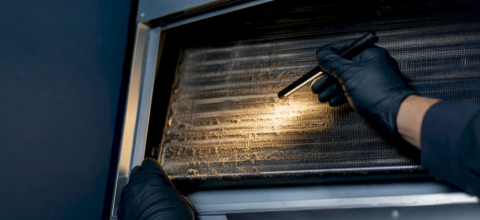
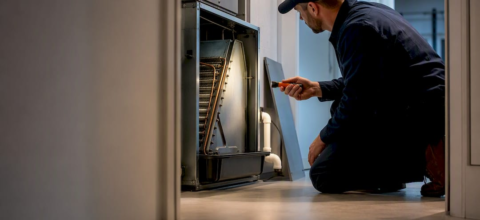
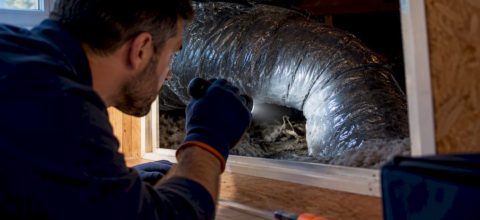
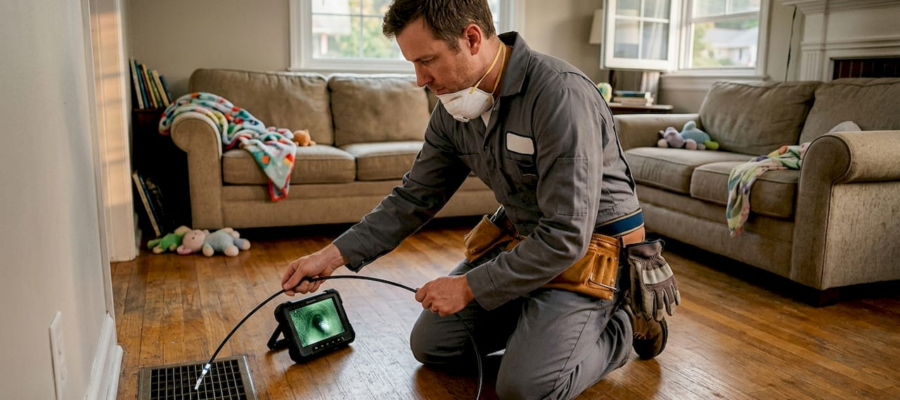
The typical cleaning process starts with a detailed inspection using cameras to identify problem areas and assess contamination levels. Technicians then use powerful HEPA filter vacuums, rotary brushes, compressed air tools, and agitation devices to dislodge and remove buildup from duct surfaces. Some services include sanitizing treatments to eliminate bacteria and mold spores. The goal is to restore ducts to a clean state that allows unrestricted airflow and prevents contaminants from recirculating through your home.
Over time, ducts naturally accumulate materials that restrict airflow and degrade air quality. Construction debris from renovations, pet hair, cooking particles, and outdoor pollutants all find their way into ductwork. This buildup forces your HVAC system to work harder, reducing efficiency and increasing energy costs. More importantly, contaminated ducts continuously distribute allergens and irritants throughout your living spaces.
Professional duct cleaning delivers multiple benefits beyond simple dust removal:
- Improves indoor air quality by removing allergens and irritants
- Reduces allergy and asthma symptoms for sensitive household members
- Enhances HVAC system efficiency and lowers energy bills
- Extends the lifespan of heating and cooling equipment
- Eliminates musty odors caused by mold or mildew growth
Some homeowners mistakenly believe duct cleaning is unnecessary or a scam because they cannot see inside their ducts. However, understanding the importance of clean air ducts reveals how this service protects both home comfort and family health. Professional cleaning addresses hidden contamination that simple filter changes cannot reach.
Signs your home needs duct cleaning
Signs that indicate the need for duct cleaning include visible dust and debris, mold growth, unusual odors, and increased allergy symptoms. Recognizing these warning signs helps you schedule cleaning before air quality problems worsen. Homeowners should monitor their HVAC systems regularly and act when they notice these indicators.
Visible dust accumulation around supply and return vents signals that your ducts are distributing particles throughout your home. If you notice dust settling quickly after cleaning, or dark streaks on walls near vents, contaminated ductwork is likely the culprit. Excessive dust means your family is breathing those same particles with every breath.
Musty or stale odors when your HVAC system runs indicate mold or mildew growth inside the ductwork. These biological contaminants thrive in dark, moist environments and release spores into your air supply. Persistent odors that cleaning cannot eliminate require professional inspection and duct cleaning to address the source.
Mold or mildew visible near duct openings, on vent covers, or around HVAC components demands immediate attention. Surface mold indicates larger contamination hidden inside the system. Scheduling duct cleaning is essential when air duct contaminant buildup affects indoor air quality and health. Mold exposure causes respiratory problems, allergic reactions, and other health issues.
Increased allergy or respiratory symptoms among household members often correlate with dirty ductwork. If family members experience more frequent sneezing, coughing, congestion, or asthma attacks at home, contaminated ducts may be circulating allergens continuously. Children and elderly residents are particularly vulnerable to poor indoor air quality.
Uneven airflow between rooms suggests blockages or heavy buildup restricting air movement through certain ducts. Some rooms may feel stuffy while others receive adequate ventilation. This inefficiency wastes energy and creates uncomfortable temperature variations.
Key warning signs requiring attention:
- Dark debris or dust rings around vent openings
- Persistent musty smells when heating or cooling runs
- Visible mold growth on vent covers or nearby surfaces
- Family members experiencing worsening allergies or breathing issues
- Noticeable airflow differences between rooms
- Recent home renovations that generated dust and debris
Property managers should establish regular inspection schedules to protect tenant health and maintain property value. Monitoring these signs your ducts need cleaning prevents small problems from becoming major health hazards. Proactive duct maintenance demonstrates commitment to providing safe, comfortable living environments.
How residential duct cleaning is performed
Professional duct cleaning follows a systematic approach using specialized equipment to ensure thorough contamination removal. Professional duct cleaning typically includes a thorough inspection, use of specialized vacuum systems, brushes, and sometimes chemical sanitizers to ensure comprehensive cleaning. Understanding this process helps homeowners appreciate the value and complexity of professional service.
The cleaning process unfolds in these key steps:
- Initial inspection using cameras and visual assessment to identify contamination levels, damage, and problem areas requiring special attention.
- Systematic brushing and agitation throughout the ductwork using rotary brushes, air whips, and compressed air tools to dislodge stuck debris from duct surfaces.
- Powerful vacuum suction through HEPA filter systems that capture and contain dislodged contaminants, preventing them from spreading into living spaces during cleaning.
- Cleaning or replacing components like grilles, registers, diffusers, and air filters to ensure the entire system operates efficiently.
- Optional sanitizing treatments applied to eliminate bacteria, mold spores, and odors, providing additional protection against biological growth.
Technicians use sophisticated air duct cleaning equipment designed specifically for residential HVAC systems. HEPA filter vacuums prevent cleaned contaminants from reentering your home. Rotary brushes with various head sizes reach different duct shapes and sizes. Air whips use compressed air to agitate stubborn buildup. Inspection cameras allow technicians to verify cleaning completeness.

Professional services contain contaminants safely throughout the cleaning process. Technicians seal vents and create negative pressure zones that direct all debris into collection systems. This containment prevents the cleaning process itself from temporarily degrading indoor air quality. Proper technique distinguishes professional cleaning from inadequate DIY attempts.
Pro Tip: Homeowners should prepare by informing technicians about specific problem areas, recent renovations, known mold locations, and pet habits. Secure pets in a separate area during service. Clear access to all vents and the HVAC unit. This preparation helps technicians work efficiently and address your specific concerns.
Professional cleaning delivers results beyond simple dusting or filter replacement. Technicians access the entire duct system, including hard to reach sections where contamination accumulates. They clean supply ducts that distribute conditioned air and return ducts that pull air back to the HVAC unit. Comprehensive cleaning ensures your entire air circulation system operates at peak efficiency while delivering clean air to every room.
How often should residential air ducts be cleaned?
Most homeowners should schedule duct cleaning every 3 to 5 years, but frequency varies based on household factors and environmental conditions. Establishing the right cleaning schedule protects your investment in indoor air quality while avoiding unnecessary expense. Several factors influence how quickly your ducts accumulate contaminants.
Standard recommended intervals for typical households fall between three and five years. This timeframe allows normal dust and debris accumulation without reaching levels that significantly impact air quality or system efficiency. Homes with minimal contamination sources can safely extend to the five year mark, while those with more challenging conditions should clean more frequently.
Specific factors that accelerate contamination and require more frequent cleaning include pets that shed fur and dander, household members who smoke indoors, recent renovations that generated construction dust, family members with allergies or asthma, previous mold problems, and living in areas with high outdoor pollution. Each factor adds to the contamination load your ductwork must handle.

| Household Type | Recommended Frequency | Key Factors |
|---|---|---|
| Standard home | Every 3 to 5 years | Minimal contamination sources, regular filter changes |
| Homes with pets | Every 2 to 3 years | Pet dander and hair accumulation |
| Smokers present | Every 2 to 3 years | Tar and particle buildup |
| Allergy sufferers | Every 2 to 3 years | Need for consistently clean air |
| Recent renovation | Within 6 months | Construction debris and dust |
| Previous mold issues | Every 1 to 2 years | Ongoing monitoring and prevention |
Property managers should establish periodic cleaning protocols as part of regular maintenance schedules. Documenting cleaning dates and inspection findings helps track system condition over time. This proactive approach prevents tenant complaints, reduces liability, and maintains property value.
Pro Tip: Scheduling regular inspections between full cleanings helps determine the best timetable for your specific situation. Annual visual inspections cost little but provide valuable information about contamination rates. Adjust your cleaning frequency based on actual conditions rather than arbitrary schedules.
Understanding air duct cleaning frequency requirements for your household prevents both neglect and over servicing. Monitor the warning signs discussed earlier and schedule cleaning when conditions warrant rather than waiting for a predetermined date. Flexible, condition based scheduling optimizes both air quality and cost effectiveness.
Need professional residential duct cleaning in NJ, NY & CT?
Amazon Air Duct Cleaning provides comprehensive residential duct cleaning services throughout New Jersey, New York, and Connecticut. Our experienced technicians use advanced equipment and proven techniques to remove contaminants, improve air quality, and restore HVAC efficiency. We help homeowners and property managers create healthier indoor environments through thorough, professional service backed by over 10 years of industry experience.

Our team addresses all aspects of duct system maintenance, from initial inspection through final verification. We understand the unique challenges facing homeowners in the tri state area and tailor our services to local conditions. Whether you are experiencing specific air quality problems or maintaining a proactive cleaning schedule, we deliver results that protect your family’s health and your HVAC investment. Learn more about knowing when to clean air ducts, recognize signs your ducts need cleaning, and discover tips for preparing for air duct cleaning to ensure the best possible service experience.
What is residential duct cleaning FAQ
What contaminants do duct cleaning remove?
Professional duct cleaning removes dust, pollen, pet dander, mold spores, bacteria, construction debris, and other airborne particles that accumulate in HVAC ductwork. These contaminants circulate through your home every time the heating or cooling system runs, affecting air quality and potentially triggering allergies or respiratory problems.
Is DIY duct cleaning effective?
DIY duct cleaning rarely achieves the thoroughness of professional service because homeowners lack specialized equipment like HEPA vacuums, rotary brushes, and inspection cameras. Without proper tools and training, DIY attempts may dislodge contaminants without capturing them, temporarily worsening indoor air quality. Professional cleaning ensures complete contamination removal and proper containment.
Can duct cleaning reduce allergies?
Duct cleaning can significantly reduce allergy symptoms by removing allergens like dust mites, pollen, pet dander, and mold spores from your air circulation system. Many homeowners report fewer sneezing episodes, reduced congestion, and improved breathing after professional cleaning. Results are most noticeable for individuals with dust or mold sensitivities.
How long does professional duct cleaning take?
Most residential duct cleaning services take between two and four hours, depending on home size, system complexity, and contamination levels. Larger homes with extensive ductwork or severe contamination may require additional time. Technicians provide time estimates after initial inspection based on your specific situation.
Is duct cleaning covered by home insurance?
Standard homeowners insurance typically does not cover routine duct cleaning as it is considered preventive maintenance. However, if duct contamination results from a covered event like fire, flood, or major water damage, cleaning costs may be included in restoration coverage. Review your policy or contact your insurance provider for specific coverage details.
Recommended
- Difference between duct and vent cleaning for homeowners – Amazon Air Duct Cleaning
- Is Air Duct Cleaning a Scam? What to Know Before You Book
- Top-Rated Residential Air Duct Cleaning in Trenton
- Don’t Skip Air Duct Cleaning After Renovation (Here’s Why)