Understanding Dust in Ducts: Improve Your Home’s Air Quality
TL;DR:
- Duct dust includes allergens, mold spores, and urban pollutants that recirculate with HVAC use.
- Professional cleaning using specialized equipment is essential to fully remove deep duct contamination.
- Regular inspections and cleaning improve indoor air quality, especially after renovations or in older urban buildings.
Most homeowners treat household dust as a minor annoyance, something you wipe off a shelf and forget about. But the dust settling inside your air ducts is a different story. It builds up silently, recirculates every time your HVAC system runs, and can carry allergens, mold spores, and urban pollutants straight into your living space. For homes and properties across New York, New Jersey, and Connecticut, where older buildings and dense city air create unique challenges, understanding what’s really inside your ductwork is the first step toward genuinely cleaner indoor air.
Table of Contents
- What exactly is duct dust?
- How does duct dust affect indoor air quality?
- Professional vs. DIY duct dust removal: What really works?
- When and how often should you worry about duct dust?
- The hidden costs of ignoring duct dust: Our expert take
- Take the next step for cleaner air in your home or property
- Frequently asked questions
Key Takeaways
| Point | Details |
|---|---|
| Dust in ducts is complex | It’s a hidden mix of allergens, pollutants, and debris—not just household dirt. |
| Air quality suffers | Duct dust worsens allergies, odors, and can undermine HVAC efficiency. |
| Professional cleaning is critical | Certified services use safe, effective methods that DIY approaches can’t match. |
| Don’t wait for problems | Inspections are essential after renovations, signs of buildup, or every few years. |
| Verification matters | Always request proof of cleaning such as visual photos or debris testing for peace of mind. |
What exactly is duct dust?
The word “dust” sounds simple, but what collects inside your air ducts is far more complex than what you brush off a bookshelf. Duct dust sources include a wide mix: construction debris, urban pollutants, pollen, and pet dander, all drawn in from both inside and outside your home. In practice, that means every time your HVAC system pulls air through your home, it’s also pulling in whatever is floating around.
Here’s a breakdown of the most common contaminants found in residential ductwork:
| Contaminant | Typical source |
|---|---|
| Skin flakes and hair | Occupants and pets |
| Pollen and spores | Outdoor air, plants |
| Mold fragments | Moisture in ductwork |
| Construction debris | Renovations, new builds |
| Urban particulates | City smog, traffic exhaust |
| Insulation fibers | Aging duct materials |
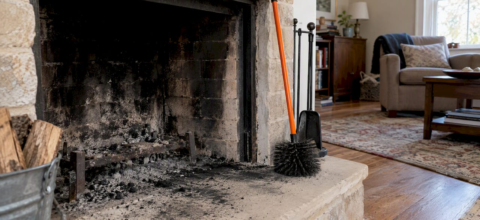
In the NY/NJ/CT region specifically, urban density and aging infrastructure make this mix more aggressive. Older buildings often have ductwork that hasn’t been inspected in years, and city air carries a heavier load of fine particulates than suburban or rural areas. Even brand-new homes aren’t immune. Post-renovation dust from drywall, sawdust, and insulation can coat the inside of ducts quickly, creating a contamination problem before you’ve even settled in.
“HVAC air circulation doesn’t just heat or cool your home. It redistributes whatever has been captured in the duct system, spreading it room to room with every cycle.” This is why understanding why clean air ducts matter goes well beyond surface-level cleanliness.
The composition of duct dust matters because different particles carry different risks. Mold spores trigger respiratory reactions. Pet dander is a potent allergen. Fine urban particulates can penetrate deep into the lungs. Knowing what’s in your ducts helps you make smarter decisions about when to act.

How does duct dust affect indoor air quality?
Once dust settles inside your ducts, it doesn’t stay put. Every time your heating or cooling system kicks on, that accumulated debris gets stirred up and pushed through your vents. The result is air that carries irritants into every room, often without any visible sign that something is wrong.

For NY/NJ/CT residents, this problem is compounded by local conditions. Urban air brings more outdoor pollutants indoors, and older buildings tend to have more buildup from years of accumulated debris. Studies suggest that proper duct cleaning can reduce indoor dust levels by up to 40%, which is a meaningful improvement for anyone dealing with persistent allergy symptoms or frequent dusting.
Here are the top ways duct dust actively worsens your indoor environment:
- Re-circulation of allergens: Every HVAC cycle pushes settled dust back into your living space.
- Allergy and asthma flare-ups: Respiratory problems worsen when irritants like pollen, dander, and mold fragments are constantly airborne.
- Persistent odors: Accumulated organic material in ducts can produce musty or stale smells that no amount of air freshener will fix.
- Reduced system efficiency: Dust-coated components make your HVAC work harder, raising energy bills and shortening equipment life.
- Faster surface dust buildup: If you’re re-dusting surfaces every few days, your ducts may be the source.
Reviewing a duct cleaning checklist can help you identify whether your system is contributing to these issues. Knowing when to clean air ducts is equally important, since timing matters as much as the cleaning itself.
Pro Tip: If you’ve recently renovated or notice dust reappearing on surfaces within a day or two of cleaning, schedule a ductwork inspection before assuming it’s just normal household dust.
Professional vs. DIY duct dust removal: What really works?
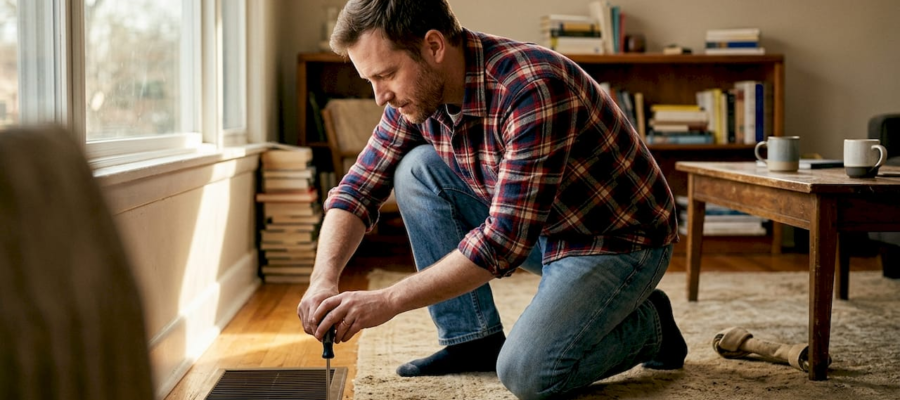
It’s tempting to grab a vacuum attachment and try to clean your ducts yourself. And while a DIY approach can remove some surface debris near the vent covers, it rarely touches the deeper contamination that causes real air quality problems.
Here’s how the two approaches compare:
| Method | Tools used | Depth of cleaning | Verification |
|---|---|---|---|
| Professional cleaning | HEPA vacuum, rotary brushes, negative air pressure | Full duct system | Before/after photos, gravimetric testing |
| DIY cleaning | Household vacuum, brush attachments | Vent covers and short runs only | None |
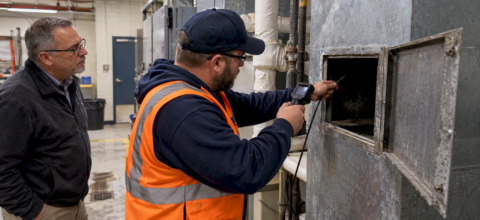
Professional source removal uses HEPA-grade negative pressure vacuums and mechanical agitation tools to dislodge and capture debris from the full length of your ductwork. This is the standard set by NADCA (the National Air Duct Cleaners Association), and it’s the only method that reliably addresses deep contamination. You can learn more about professional duct cleaning equipment to understand what a legitimate service should bring to your home.
Here are the key steps that only certified professionals can perform:
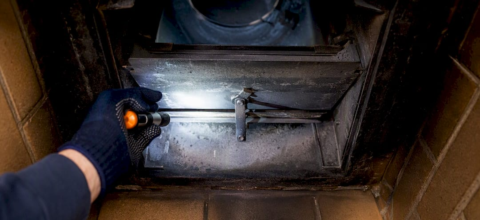
- System assessment: Inspect duct layout, material condition, and contamination level before starting.
- Negative pressure setup: Seal the system and create suction to prevent debris from escaping into living spaces.
- Mechanical agitation: Use rotary brushes or air whips to dislodge compacted debris from duct walls.
- HEPA extraction: Capture all dislodged material with a certified HEPA vacuum system.
- Post-clean verification: Conduct a visual inspection and, when needed, gravimetric testing to confirm results.
For a clear comparison of what each approach actually delivers, the DIY vs. professional cleaning breakdown is worth reviewing before you decide.
Pro Tip: Always ask for before-and-after photos after a professional cleaning. A trustworthy company will provide them without hesitation. If they can’t, that’s a red flag.
When and how often should you worry about duct dust?
Not every home needs duct cleaning on the same schedule. The right timing depends on your specific situation, and several factors common to NY/NJ/CT properties should move you toward more frequent attention.
These are the clearest triggers for scheduling an inspection or cleaning:
- Recent renovation or construction: Drywall dust, insulation fibers, and sawdust coat ducts fast. Post-renovation cleaning is often essential, not optional.
- Visible dust puffs from vents: If you see debris blowing out when the system starts, the buildup is already significant.
- Unexplained allergy or asthma symptoms: When symptoms worsen at home but improve elsewhere, your ducts are a logical place to look.
- Moving into a new or older home: You don’t know the cleaning history, so an inspection gives you a clean baseline.
- Persistent musty or stale odors: Organic debris in ductwork is often the source.
- Pets in the home: Pet dander accumulates quickly and recirculates constantly.
NADCA and EPA now support post-renovation inspections and preventive source removal as part of responsible indoor air quality management. For most homes, a visual inspection every few years is a reasonable baseline. High-occupancy properties, older buildings, or homes with allergy sufferers should lean toward more frequent service.
The step-by-step duct cleaning checklist is a practical tool for tracking where your home stands. And if you’ve recently finished a renovation, skipping post-renovation duct cleaning is a risk that’s genuinely not worth taking.
Pro Tip: Don’t wait for your HVAC system to show signs of strain before acting. Preventive cleaning protects both your equipment and your health, and it’s almost always less expensive than reactive repairs.
The hidden costs of ignoring duct dust: Our expert take
After more than 10 years of working in homes and commercial properties across New York, New Jersey, and Connecticut, we’ve seen a pattern. Property managers and homeowners alike tend to underestimate duct dust until something forces their hand, whether that’s a tenant complaint, an HVAC breakdown, or a sudden spike in allergy symptoms.
The honest reality is that in our region, dust is rarely just cosmetic. The combination of aging infrastructure and dense urban air means contaminants accumulate faster and carry more risk than in newer or rural properties. Ignoring it doesn’t just affect air quality. It shortens equipment life, increases energy costs, and in rental properties, it creates genuine liability.
What we’ve also learned is that choosing professional over DIY isn’t just about thoroughness. It’s about verification. Surface appearance tells you almost nothing about what’s actually inside your ductwork.
Post-clean gravimetric analysis is the standard for confirming that a cleaning was genuinely successful, not just visually acceptable. Without it, you’re trusting appearances over evidence.
That’s the part most people skip, and it’s exactly where the real peace of mind comes from. Ask for verification. Expect it from any provider you hire.
Take the next step for cleaner air in your home or property
You now have a clear picture of what duct dust is, why it matters, and how to address it properly. The next move is straightforward: act before the problem grows.

At Amazon Air Duct Cleaning, we serve residential and commercial clients across New York, New Jersey, and Connecticut with NADCA-standard cleaning, honest assessments, and post-clean verification you can actually see. Here’s where to start:
- Explore our air duct cleaning services and what a professional inspection covers.
- Check the signs you need duct cleaning to see if your home qualifies now.
- Read the full homeowner’s duct cleaning guide for a complete overview of what to expect.
Clean ducts aren’t a luxury. For homes in our region, they’re a practical investment in health and equipment longevity.
Frequently asked questions
What causes dust to accumulate in air ducts?
Everyday activities, outdoor pollutants, pets, and post-renovation debris all contribute to duct buildup over time. Urban environments like those in NY/NJ/CT accelerate this process due to higher particulate loads in outdoor air.
Is duct dust dangerous for health?
Excess duct dust can worsen allergies and asthma by continuously circulating irritants like pollen, pet dander, and mold fragments through your living spaces. Vulnerable individuals, including children and the elderly, face the greatest risk.
How can I tell if my ducts need cleaning?
Look for visible dust puffs from vents, lingering odors, or a noticeable increase in allergy symptoms, especially after renovations. NADCA and EPA advise post-renovation and symptom-driven inspections as the clearest triggers.
Can regular vacuuming remove duct dust?
Household vacuums can only reach vent covers and short duct runs near the surface. Professional source removal with HEPA-grade equipment is required to address deep contamination effectively.
What should I ask before hiring a duct cleaning service?
Confirm that the provider is NADCA certified and ask whether they provide post-clean verification such as before-and-after photos or gravimetric debris testing. A legitimate company will answer both questions without hesitation.
Recommended
- Air ducts in HVAC: how they shape your indoor air quality – Amazon Air Duct Cleaning
- Improve Indoor Air Quality with Easy Home Maintenance Tips
- Don’t Skip Air Duct Cleaning After Renovation (Here’s Why)
- Complete duct cleaning checklist: boost air quality 41% – Amazon Air Duct Cleaning