Top energy-saving cleaning tips for a greener home
TL;DR:
- Regular cleaning of appliances, filters, and ducts significantly reduces energy consumption.
- Cleaning light fixtures and bulbs improves brightness efficiency, lowering lighting costs.
- Eco-friendly cleaning practices and routine maintenance enhance energy savings and indoor air quality.
Keeping your home or business clean while managing rising utility costs can feel like a juggling act, especially across New York, New Jersey, and Connecticut where energy prices consistently run above the national average. What most homeowners and business owners don’t realize is that targeted cleaning habits can directly lower energy bills, not just improve appearances. Dust, grime, and neglected filters quietly force your appliances and systems to work harder than they should. This article walks you through practical, eco-friendly cleaning strategies that deliver measurable savings, from your refrigerator coils to your air ducts, so you can make smarter choices for your space and your budget.
Table of Contents
- Tidy appliances for maximum energy efficiency
- Let there be (clean) light: Surprising ways cleaning cuts lighting costs
- Clean air, lower bills: HVAC and duct cleaning essentials
- Eco-friendly cleaning routines for double impact
- Rethinking cleaning: The hidden ROI of a cleaner, greener space
- Ready to boost your energy savings? Professional help available
- Frequently asked questions
Key Takeaways
| Point | Details |
|---|---|
| Clean appliances, save energy | Vacuuming coils and filters helps major home appliances run more efficiently and use less power. |
| Lighting gets brighter with cleaning | Wiping dust from bulbs and fixtures means you need less energy to light up your space. |
| HVAC dust removal is powerful | A cleaned HVAC system can cut fan energy use almost in half while improving indoor air. |
| Eco-friendly routines matter | Green cleaning products reduce chemical exposure and save both water and energy. |
| Consistent habits pay off | Regular cleaning gives bigger savings than one-time deep cleans in most homes and businesses. |
Tidy appliances for maximum energy efficiency
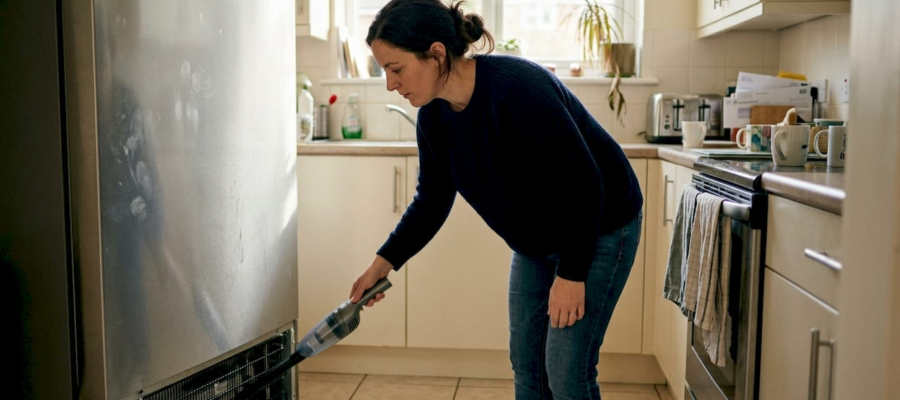
Your appliances are quietly draining extra energy every day, and dirty components are often the reason. When dust and debris build up on refrigerator coils, the fridge has to run longer to maintain its temperature. Vacuuming refrigerator coils reduces energy use by removing dust that acts as insulation, making the appliance work less hard. That’s a meaningful gain from a task that takes under 15 minutes.
The same logic applies to your dishwasher and washing machine. Clogged filters and dirty drum seals make these machines run inefficient cycles. Cleaning the dishwasher filter monthly and wiping down the washing machine drum and door gasket keeps performance sharp. Beyond cleaning the machines themselves, how you use them matters just as much.
Running full loads for dishwashers and washers, air drying dishes, and using cold water for laundry saves significant energy on heating and operation. Cold water washing alone can cut laundry energy use by up to 90% compared to hot water cycles. These aren’t complicated changes. They’re habits.
Here’s a quick checklist for energy-smart appliance cleaning:
- Refrigerator coils: Vacuum every 6 months using a coil brush or attachment
- Dishwasher filter: Rinse under warm water monthly
- Washing machine drum: Wipe with a damp cloth and run a hot maintenance cycle monthly
- Dryer lint trap: Clean after every single load without exception
- Oven door seals: Check for cracks that let heat escape and wipe clean regularly
When choosing cleaning products for appliances, reach for phosphate-free, plant-based options. They’re gentler on rubber seals and won’t leave chemical residue that degrades components over time. You can find saving energy with easy steps on our website if you want a broader framework for cutting household energy waste.
Pro Tip: Don’t overcrowd your fridge or freezer. Air needs to circulate freely inside for efficient cooling. A packed fridge forces the compressor to run longer, which adds up on your utility bill over weeks and months.
Now that you know the hidden energy costs of common appliances, let’s look at cleaning elements that impact your lighting efficiency.
Let there be (clean) light: Surprising ways cleaning cuts lighting costs
Lighting is one of those areas where cleaning delivers an almost instant return. Dust on light bulbs and fixtures reduces light output, requiring more energy for the same brightness. When fixtures are clean, you get brighter illumination from the same wattage, which means you’re less likely to flip on additional lamps or increase brightness settings.
This effect is more significant than most people expect. A thick layer of dust on a bulb or shade can reduce effective light output by 20 to 30 percent. That’s like paying for a 100-watt equivalent and getting a 70-watt result. Cleaning restores that lost output without spending a dime on new bulbs.
Here’s how to clean your lighting effectively:
- Ceiling fixtures and pendants: Turn off and allow to cool, then wipe shades and covers with a dry microfiber cloth
- Recessed lighting: Use a soft brush attachment on a vacuum to remove dust from the trim ring and interior
- Table and floor lamps: Remove shades and wipe with a lightly dampened microfiber cloth
- Windows: Clean glass inside and out to maximize natural daylight, reducing the need for artificial lighting during daytime hours
Pro Tip: Use microfiber cloths for all lighting surfaces. They trap dust rather than spreading it, and they won’t scratch glass or delicate finishes. Avoid paper towels, which leave lint and can scratch coated bulbs.
While you’re cleaning fixtures, it’s also worth evaluating your bulbs. ENERGY STAR notes clean fixtures maximize light output, and pairing clean fixtures with LED bulbs certified by ENERGY STAR amplifies that benefit further. LEDs use up to 75% less energy than incandescent bulbs and last significantly longer, meaning fewer replacements and less waste. If you’re still running older bulbs in any fixture, a cleaning session is the perfect moment to swap them out.
You can find additional energy-saving cleaning ideas that pair well with these lighting upgrades on our resource page.
Just as light fixtures benefit from less dust, your home’s air systems can also see dramatic energy savings with focused cleaning.
Clean air, lower bills: HVAC and duct cleaning essentials
Your HVAC system (heating, ventilation, and air conditioning) is the single largest energy consumer in most homes and commercial buildings. When ducts are clogged with dust and debris, or when filters are overdue for replacement, the system has to push harder to move the same volume of air. That extra effort translates directly into higher utility bills.

Research shows that HVAC cleaning reduces fan and blower energy use by 41 to 60 percent and increases airflow by up to 46 percent. For commercial buildings in particular, this is a significant finding with real implications for operating costs and sustainability goals.
Here’s a practical DIY HVAC cleaning checklist:
- Replace or clean air filters every 1 to 3 months depending on household size and pet ownership
- Vacuum supply and return vents with a brush attachment to remove surface dust
- Wipe down the exterior of your air handler unit with a damp cloth
- Check visible duct connections for gaps and seal with mastic sealant or metal tape
- Schedule professional duct cleaning every 2 to 5 years for thorough interior cleaning
Utilities in the NY/NJ/CT region, including PSEG and Eversource, emphasize that filter changes and sealing leaks during routine cleaning are among the highest-return efficiency actions available to homeowners.
| Area | DIY action | Estimated energy impact |
|---|---|---|
| Air filter | Replace every 1-3 months | Up to 15% HVAC savings |
| Supply vents | Vacuum monthly | Improved airflow, less strain |
| Duct sealing | Seal gaps with mastic | Up to 20% heating/cooling savings |
| Coil cleaning | Annual professional service | 10-15% efficiency gain |
| Full duct cleaning | Every 2-5 years | 41-60% fan energy reduction |
Understanding dirty HVAC costs is the first step. From there, knowing when to schedule HVAC summer cleaning and how cleaning supports boosting HVAC lifespan gives you a complete picture. You can also explore the HVAC air duct benefits for indoor air quality beyond just energy savings.
Set a calendar reminder right now for your next filter change. It takes 30 seconds to set and saves real money over time.
With major appliances and air systems covered, let’s not overlook eco-friendly cleaning routines that are good for both the environment and your energy bill.
Eco-friendly cleaning routines for double impact
Green cleaning isn’t just about reducing chemical exposure, though that matters. It’s also about using methods that require less water, less energy, and less product to get the same result. That combination adds up to a lower environmental footprint and a lower utility bill.
The EPA recommends phosphate-free detergents, full loads, and low-flow fixtures as baseline habits for environmentally responsible households. These aren’t radical changes. They’re practical shifts that pay off consistently.
Natural cleaners like vinegar and baking soda are genuinely effective for most household surfaces. Natural cleaners reduce chemical use, improve indoor air quality, and microfiber cloths cut both water and chemical needs compared to traditional sponges and paper towels. A microfiber mop, for example, cleans floors with just water in most cases, eliminating the need for chemical floor cleaners entirely.
| Method | Traditional approach | Eco-friendly approach | Energy/resource savings |
|---|---|---|---|
| Floor cleaning | Chemical cleaner, cotton mop | Microfiber mop, water only | Less water, no chemical production |
| Surface wiping | Paper towels, spray cleaner | Microfiber cloth, diluted vinegar | Less waste, fewer chemicals |
| Laundry | Hot water, full detergent | Cold water, half-dose detergent | Up to 90% less heating energy |
| Dishwashing | Partial loads, heated dry | Full loads, air dry | 20-30% less energy per cycle |
| Window cleaning | Commercial glass cleaner | Diluted white vinegar, microfiber | Zero chemical runoff |
Top eco-friendly practices for homes and businesses in New York, New Jersey, and Connecticut:
- Choose cleaning products labeled by EPA’s Safer Choice program
- Use concentrated formulas to reduce packaging and shipping energy
- Store natural cleaners in reusable glass spray bottles
- Avoid aerosol sprays, which release volatile organic compounds (VOCs) into your indoor air
- Watch for greenwashing: terms like “natural” or “green” on labels mean nothing without third-party certification
Spotting greenwashing takes a moment of attention. Look for specific certifications like EPA Safer Choice, Green Seal, or ECOLOGO rather than vague marketing language. If a product can’t name its certifying body, treat that as a red flag.
You’ll find more eco-friendly cleaning hacks that work specifically for regional homes and businesses on our site.
With these eco-friendly habits, you’ll get the most out of your cleaning routines while protecting your health and budget.
Rethinking cleaning: The hidden ROI of a cleaner, greener space
Most people still think of cleaning as a chore. Something to get through, not something to invest in. That mindset is worth reconsidering.
The energy savings from consistent cleaning compound over time in a way that one-off deep cleans simply don’t replicate. A home or business that maintains clean filters, clear coils, and dust-free fixtures month after month will outperform a space that gets a single annual overhaul. The math isn’t complicated. Sustained maintenance beats sporadic effort, every time.
For businesses in particular, cleaning during off-peak hours and prioritizing regular maintenance over one-time deep cleans produces sustained, measurable savings. ENERGY STAR’s small business guidance reinforces this point directly.
The spaces with the greatest room for improvement are those starting from a poor baseline. If your ducts haven’t been cleaned in years, your filters are overdue, and your appliances are running dirty, the return on getting those systems clean is substantial. Understanding energy-saving maintenance as an investment rather than an expense changes how you prioritize it. That shift in thinking is where the real gains begin.
Ready to boost your energy savings? Professional help available
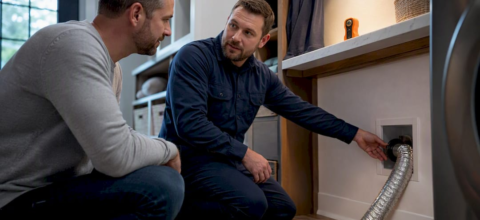
The DIY steps in this article will take you far. But some cleaning tasks, particularly air duct cleaning and dryer vent cleaning, deliver their full benefit only when done by a trained professional with the right equipment.

At Amazon Air Duct Cleaning, we’ve spent over 10 years helping homeowners and businesses across New York, New Jersey, and Connecticut achieve cleaner air and lower energy bills. Our professional air duct cleaning service removes years of accumulated dust and debris that no vacuum attachment can reach. Our dryer vent cleaning service reduces fire risk and cuts dryer cycle times, which directly lowers energy use. If you’re not sure where to start, our duct cleaning checklist gives you a clear picture of what to expect before and after a professional service.
Frequently asked questions
How often should I clean my HVAC system for maximum energy savings?
Clean or replace your HVAC filter every 1 to 3 months and schedule duct cleaning every 2 to 5 years for best energy efficiency. Regional utilities like PSEG and Eversource specifically highlight filter changes and leak sealing as top-priority efficiency actions.
Do natural cleaning products really reduce energy use?
Yes. Natural products like vinegar and microfiber cloths lower both water and energy needs while minimizing chemical exposure. Natural cleaners and microfiber cut the resources needed per cleaning session compared to conventional products.
What is the fastest energy-saving cleaning tip for busy households?
Vacuuming refrigerator coils and cleaning light fixtures provide quick, high-impact energy savings with minimal effort. Refrigerator coil cleaning removes insulating dust, while clean bulbs and fixtures restore full light output without using more power.
Do full loads really save energy when cleaning?
Yes. Running appliances with full loads uses less energy per item cleaned and reduces total operation time. Full loads for dishwashers and washers, combined with air drying and cold water, make a consistent difference on your monthly utility bill.
Recommended
- Energy Savings 101 | Why Dirty HVAC Systems Cost You More
- Save Money and Conserve Energy With These Easy Steps – Amazon Air Duct Cleaning
- Improve Indoor Air Quality with Easy Home Maintenance Tips
- 5 Natural Ways to Freshen the Air Inside Your Home