What Is Vent Inspection? Improve Home Safety and Air Quality
TL;DR:
- Most homeowners overlook vent maintenance until problems such as odors or weak airflow occur. Professional vent inspections proactively identify hazards like blockages, mold, or sewer gases, ensuring safety and efficiency. Regular inspections, documented and scheduled, help prevent costly repairs, fire risks, and code violations in residential and commercial properties.
Most homeowners in New York, New Jersey, and Connecticut think about their vents only when something goes obviously wrong. A burning smell from the dryer. Weak airflow from a register. A musty odor that won’t go away. The truth is, by the time any of those signs appear, a small problem has usually been building for months. A professional vent inspection is designed to catch those issues before they turn into fire hazards, health risks, or expensive repair bills. This guide breaks down exactly what vent inspections cover, why they matter, and what you can realistically expect from one.
Table of Contents
- What is a vent inspection?
- Types of vents in homes and properties
- Main benefits of professional vent inspections
- What happens during a vent inspection?
- Why most property owners overlook the true value of vent inspections
- Get expert vent inspection and cleaning services in NY, NJ & CT
- Frequently asked questions
Key Takeaways
| Point | Details |
|---|---|
| Covers all vent types | Vent inspection includes HVAC, dryer, exhaust, and plumbing vents in homes and buildings. |
| Protects health and safety | Regular inspection helps prevent fires, mold, and dangerous gases while improving indoor air. |
| Follows industry standards | Professionals follow standards like ASHRAE 180 for commercial and multi-unit property safety. |
| Saves money long term | Well-maintained vents lower energy costs and avoid expensive emergency repairs. |
| Best when scheduled proactively | Don’t wait for signs of trouble—schedule routine inspections for peace of mind. |
What is a vent inspection?
A vent inspection is a structured evaluation of the ventilation systems in your home or commercial property. The goal is to check that air and gases are moving safely and efficiently through the right channels, and to identify anything that might be interfering with that process.
In practice, a vent inspection addresses several distinct systems:
- HVAC supply and return vents: The ducts and registers that distribute conditioned air throughout your building
- Dryer vents: The exhaust path that carries hot, moist air and lint from your dryer to the outside
- Bathroom and kitchen exhaust vents: Systems that remove humidity, odors, and airborne grease
- Plumbing vents: Pipes that allow sewer gases to exit safely above the roofline and protect drain traps
That last category surprises many property owners. The word “vent” often brings HVAC to mind first, but the 2025 NYS Plumbing Code, Chapter 9 Vents dedicates an entire chapter to plumbing vents, noting that venting protects plumbing traps against the loss of their water seal. Without that seal, sewer gases can enter your living space. That is not a minor concern.
For commercial properties, the standards go further. HVAC inspection programs are benchmarked to ANSI/ASHRAE/ACCA Standard 180, a recognized minimum inspection standard that outlines defined objectives, responsibilities, and task frequencies organized around increasing levels of inspection depth.
Why it matters: A vent inspection is not just about clean air. It is about confirming that every ventilation pathway in your building is intact, unobstructed, and performing its intended safety function.
Reviewing an annual vent inspection checklist before your appointment is a smart way to understand exactly what a professional will be evaluating. You can also learn more about vent hygiene for healthier homes to understand the full picture of why routine care matters.
Types of vents in homes and properties
Understanding the types of vents in your home helps you ask the right questions during an inspection and recognize when something may be off. Here is a breakdown of the main systems found in most residential and commercial buildings across New York, New Jersey, and Connecticut.
| Vent type | Primary function | Risk if neglected |
|---|---|---|
| HVAC supply vents | Deliver conditioned air to rooms | Restricted airflow, poor efficiency, allergen buildup |
| HVAC return vents | Pull air back to the system for reconditioning | Dust accumulation, system strain, reduced air quality |
| Dryer vents | Exhaust hot air and lint outside | Lint fire risk, carbon monoxide buildup in gas dryers |
| Bathroom exhaust vents | Remove humidity and odors | Mold growth, structural moisture damage |
| Kitchen exhaust vents | Remove heat, grease, and smoke | Grease fire risk, reduced indoor air quality |
| Plumbing vents | Allow sewer gases to escape | Sewer gas entry, drain trap failure |
Each of these systems carries its own set of risks when inspections are skipped. A few specific hazards are worth highlighting:
- Backdrafting occurs when negative pressure pulls combustion gases back into the building instead of exhausting them outside. This is particularly dangerous with gas appliances.
- Moisture buildup in bathroom or kitchen exhaust vents can lead to hidden mold inside wall cavities or attic spaces, which is far more expensive to remediate than to prevent.
- Sewer gas exposure from failed plumbing vent traps can introduce hydrogen sulfide into your home, which is both unpleasant and potentially harmful at higher concentrations. As noted in the NYS Plumbing Code, plumbing vents exist specifically to protect those traps.
Knowing signs your air ducts need cleaning is a practical starting point if you are unsure whether your systems need attention. For a fuller picture of what remediation involves, reviewing vent cleaning steps for healthier air gives you a realistic sense of the process.
Main benefits of professional vent inspections

Regular, professional vent inspections offer documented, practical benefits. This is not about upselling unnecessary services. It is about understanding what is actually at stake when these systems go unchecked.
Here are the core benefits, in order of impact:
-
Fire hazard reduction. Dryer vent fires are among the most preventable home fires in the country. Lint is highly flammable, and a clogged dryer vent forces heat and combustible material to accumulate where they should not. Exhaust vents in kitchens carry similar risks from grease buildup.
-
Improved indoor air quality. Dirty or blocked vents allow allergens, dust mites, mold spores, and in some cases harmful gases to circulate through your living space. Why indoor air quality matters is a topic worth understanding before problems appear, not after.
-
Lower energy bills. A system working against blockages or leaks uses more energy to achieve the same result. Inspections catch inefficiencies early, which can translate to measurable savings on monthly utility bills.
-
Code compliance and documentation. For property managers especially, documented inspections provide a paper trail that is valuable for insurance claims, liability protection, and regulatory compliance. ASHRAE Standard 180 exists precisely because unstructured, informal maintenance leads to missed problems and inconsistent results.
-
Early detection of system deterioration. Cracks in duct work, separated joints, or corroded vent pipes are invisible without a dedicated inspection. Finding these issues early keeps repair costs manageable.
Pro Tip: Schedule your vent inspections in late summer or early fall, before heating season begins. HVAC emergencies spike during the first cold snap, often because issues that could have been caught in October were ignored until January.
Following safe vent cleaning practices after an inspection ensures that any cleaning work done on your systems is handled correctly and does not introduce new problems.

Stat to keep in mind: According to industry data, a significant majority of HVAC system failures that occur during peak weather demand are traced back to maintenance lapses, including skipped inspections and uncleaned vents. The cost of an emergency repair almost always exceeds the cost of routine inspection several times over.
What happens during a vent inspection?
If you have never scheduled a professional vent inspection before, knowing what to expect removes a lot of uncertainty. The process is methodical and should always end with clear, written documentation.
Here is a typical step-by-step breakdown of what a professional inspection covers:
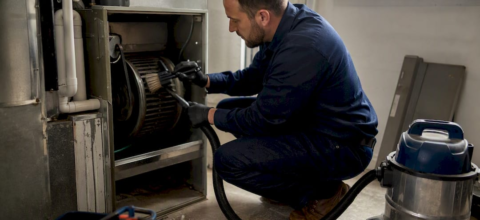
- Initial walkthrough and system identification. The technician notes the type, age, and layout of your ventilation systems. This context shapes what they look for.
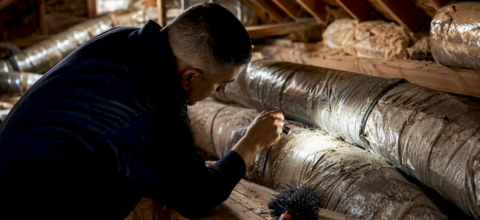
- Visual inspection of all accessible vents and registers. Technicians check for visible blockages, damage, signs of pest intrusion, or mold growth at vent openings.
- Airflow verification. Using measurement tools, the technician confirms that air is actually moving through the system at expected rates. Weak airflow often points to blockages or duct leaks further into the system.
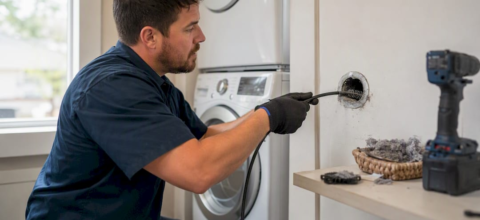
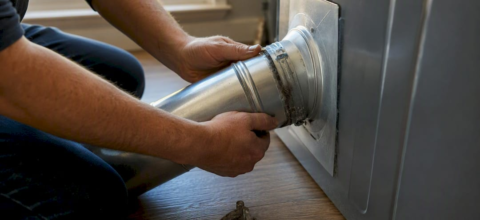
- Dryer vent inspection. The full exhaust path is checked from the back of the dryer to the exterior termination point, with attention to lint buildup, kinks, and improper installation.
- Exhaust vent checks for bathrooms and kitchens. Fan function, duct integrity, and exterior termination points are all verified.
- Plumbing vent assessment (if included in scope). The technician confirms vent pipe integrity and that no blockages could compromise drain trap function.
- Documentation and recommendations. Every legitimate inspection ends with a written report. This document should describe what was found, what was cleared or corrected, and what follow-up work is recommended.
According to ASHRAE Standard 180, inspection programs are classified into distinct levels: Level I is a visual inspection, Level II involves performance verification, and Level III is a comprehensive diagnostic with specific scope, documentation, and qualified personnel requirements. Most residential inspections fall into Level I or II. Commercial properties often require Level II or III, particularly in older buildings common throughout New York City and the surrounding tristate area.
| Task | Professional inspection | Typical DIY check |
|---|---|---|
| Visual vent inspection | Full system, including interior duct sections | Register covers and accessible openings only |
| Airflow measurement | Calibrated tools, full system assessment | Hand check or basic observation |
| Lint and blockage removal | Specialized equipment, full exhaust path | Accessible portions only |
| Documentation | Written report with findings | None typically |
| Code compliance check | Verified against current local codes | Not usually performed |
| Plumbing vent assessment | Included in comprehensive inspections | Rarely attempted |
Pro Tip: Always ask for a written inspection report before the technician leaves. A verbal summary is not enough. Documentation protects you if a future insurance claim involves a fire, water damage, or indoor air quality issue.
Reviewing vent inspection schedules tailored to different property types can help you figure out the right frequency for your specific situation, whether you manage a single-family home or a multi-unit residential building.
Why most property owners overlook the true value of vent inspections
Here is something we have observed over more than a decade of working with residential and commercial clients across New York, New Jersey, and Connecticut. Most people who schedule a vent inspection do so because something already went wrong. A fire scare. A persistent smell. A utility bill that doubled unexpectedly. They are reactive, not proactive, and that pattern costs them more in the long run.
The mistake is framing vent inspection as maintenance rather than risk management. Routine oil changes feel optional until your engine seizes. Vent inspections feel optional until a dryer fire damages your laundry room or a plumbing vent failure puts sewer gas in your bedroom.
What separates the property owners who handle this well is simple. They document everything. They schedule inspections before problems appear. And they understand that cleaning vents before selling is just one example of how vent hygiene directly affects property value, not just daily comfort.
There is also a liability dimension that property managers in particular cannot afford to ignore. If a tenant reports a health complaint or a fire investigation traces an origin to a neglected vent system, the presence or absence of documented inspection records becomes very significant. This is not alarmist. It is the practical reality of owning or managing property in a densely regulated tristate environment.
The most effective approach we see is treating vent inspection as a fixed, recurring line item in your property maintenance budget, not something you schedule when you remember to. Set a date. Book the appointment. Get the report. File it. Repeat next year.
Get expert vent inspection and cleaning services in NY, NJ & CT
Understanding what vent inspection involves is only part of the equation. Acting on that knowledge is what actually protects your home, your tenants, and your investment.

At Amazon Air Duct Cleaning, our team brings over 10 years of hands-on experience serving residential and commercial clients throughout New York, New Jersey, and Connecticut. We handle everything from dryer vent and air duct services to full professional air duct cleaning for multi-unit and commercial properties. Our inspections are thorough, code-aware, and always documented. If you are curious about how we work, you can also learn more about the equipment used for air duct cleaning to understand the level of care we bring to every job. Reach out to schedule an inspection and know exactly what is happening inside your ventilation systems.
Frequently asked questions
How often should vents be professionally inspected in a typical home?
Most homes benefit from annual vent inspections, with more frequent checks recommended for high-use systems, gas appliances, or properties that are more than 20 years old.
Does vent inspection include plumbing vents or only air vents?
Vent inspection can cover both HVAC and plumbing vents, particularly in thorough evaluations. The NYS Plumbing Code, Chapter 9 addresses plumbing vents specifically because they protect drain traps from sewer gas entry, making their inspection genuinely important for health and safety.
Why is a structured inspection program important for commercial HVAC systems?
Structured programs like ASHRAE Standard 180 establish clear minimum inspection standards with defined objectives, task frequencies, and qualified personnel requirements, which prevents the inconsistency and gaps that informal maintenance routinely produces.
What signs suggest an immediate vent inspection is needed?
Musty or sewage odors, visible mold near registers or vent covers, noticeably weak airflow, higher-than-usual energy bills, or clothes taking longer than normal to dry are all signals worth taking seriously without delay.
Is vent inspection required by New York or New Jersey code?
Venting is specifically addressed in state building and plumbing codes. The NYS Plumbing Code dedicates an entire chapter to plumbing vents and their role in protecting occupant health, and commercial HVAC systems must meet recognized inspection standards to remain compliant.
Recommended
- Annual Vent Inspection Checklist: Protect Your Home & Air – Amazon Air Duct Cleaning
- Why Vent Hygiene Matters for Healthier Homes – Amazon Air Duct Cleaning
- Safe vent cleaning practices to protect your home’s air – Amazon Air Duct Cleaning
- Why clean vents before selling: boost value & appeal – Amazon Air Duct Cleaning