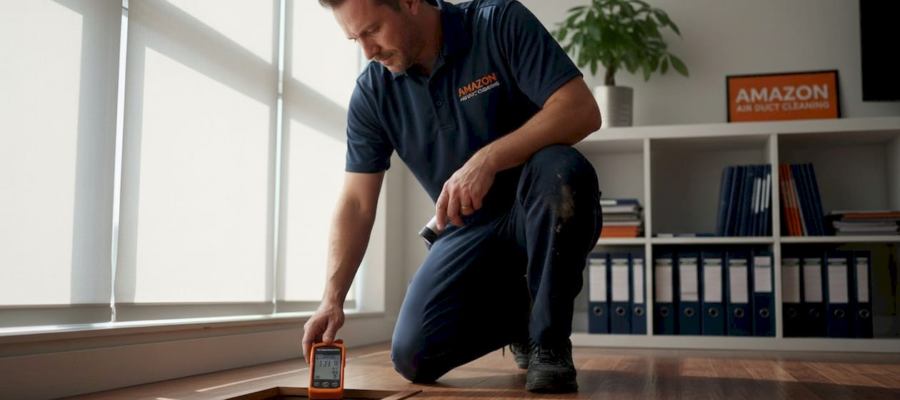
Allergen removal in ducts: improve indoor air quality
TL;DR:
- Many homeowners mistakenly believe that simple vent vacuuming or filter replacement fully cleans indoor air. Professional allergen removal involves comprehensive cleaning methods that dislodge and extract dust, pollen, mold spores, and pet dander from duct surfaces to reduce recirculation. Choosing experienced providers who follow EPA-recommended practices ensures effective cleaning and healthier indoor environments.
Many homeowners assume that vacuuming out a vent or swapping a filter is enough to keep their air clean. It isn’t. In fact, using the wrong equipment or skipping critical steps can actually pull allergens loose from duct walls and send them straight into your living space. Ductwork can harbor dust, pollen, mold spores, and other debris that recirculate every time your HVAC system runs. This article cuts through the confusion about what allergen removal in ducts actually means, when it’s necessary, and what professional practices separate a job that genuinely improves your air from one that simply makes things worse.
Table of Contents
- Understanding allergen buildup in ducts
- What is allergen removal in ducts? A clear explanation
- How duct allergen removal works: methods and best practices
- When is allergen removal necessary? EPA guidance and local triggers
- Our take: why choosing the right provider matters most
- Next steps: safe, thorough allergen removal for your property
- Frequently asked questions
Key Takeaways
| Point | Details |
|---|---|
| Not all duct cleaning is equal | True allergen removal requires professional, mechanical cleaning and proper capture—not just a quick vacuum. |
| EPA-backed triggers matter | Only clean air ducts for allergens when there’s visible contamination, not on a fixed schedule. |
| Provider qualifications are crucial | Choosing a qualified, source-removal-focused service protects your air rather than making things worse. |
| Chemical treatments need caution | Avoid biocides or sealants unless debris is first fully removed and always follow EPA guidance. |
| Air quality improvement is possible | With proper methods, allergen removal from ducts can help create a safer, cleaner indoor environment. |
Understanding allergen buildup in ducts
With the stage set on how indoor air can be compromised, let’s clarify what you may be breathing when ducts are left unchecked.
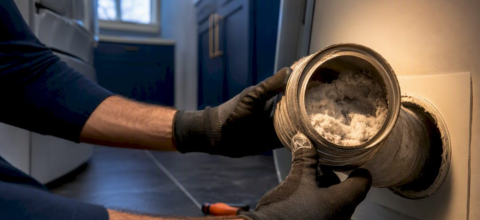
Your HVAC system moves air constantly, and everything in that air travels with it. Dust settles on duct walls during low-airflow periods. Pollen enters through open windows, gaps in the building envelope, or attached garages. Pet dander from cats and dogs is so lightweight that it stays airborne for hours before landing in the ductwork. Mold spores are a separate and more serious problem. Moisture from humidity, condensation near cooling coils, or a small leak inside the duct system creates a surface where mold can grow steadily over months without anyone noticing.
HVAC ductwork can harbor dust, pollen, pet dander, mold spores, and other debris that recirculate each time the system runs. This isn’t a fringe concern; it’s a direct mechanism that affects what you breathe indoors every day. For homes and office buildings in the New York, New Jersey, and Connecticut region, the issue is compounded by older construction, high seasonal pollen counts, and variable humidity levels that swing between winter dryness and summer moisture.
The most common duct allergens include:
- Dust and dust mites: Accumulate in supply and return air ducts, especially in homes with carpet or older insulation
- Pollen: Enters the system seasonally and clings to duct surfaces; HVAC pollen concerns are especially relevant during spring and fall in the tristate area
- Pet dander: Extremely fine particles that bypass standard filters and coat the inside of ductwork
- Mold spores: Thrive in any section of the duct that retains moisture; once established, spores recirculate with every heating or cooling cycle
- Debris from construction or renovation: Drywall dust, fiberglass particles, and sawdust can coat an entire duct system during a remodel
Worth noting: People with asthma, rhinitis (nasal inflammation), or compromised immune systems are at greater risk from contaminated ductwork. But even healthy adults and children may notice more sneezing, congestion, or fatigue when allergen loads are high indoors.
Understanding duct contamination importance is the first step toward making a smart, informed decision rather than reacting to a sales pitch.
What is allergen removal in ducts? A clear explanation
Now that you understand what’s lurking in your air ducts, let’s define how true allergen removal is achieved beyond just surface cleaning.
Allergen removal in ducts means professionally reducing the load of dust, pollen, pet dander, and mold spores inside your ductwork so that less of it circulates back into the rooms you occupy. It is not the same as wiping a vent cover, vacuuming a register with a household shop vac, or spraying a deodorizer into an air return. Those actions address appearance or odor at best. They don’t meaningfully reduce what’s inside the duct itself.

Here’s a direct comparison between DIY approaches and professional allergen removal:
| Approach | What it addresses | What it misses |
|---|---|---|
| Vacuuming visible vent covers | Surface dust on grates | Duct walls, bends, plenums, and coils |
| Replacing air filters | Improves filtration going forward | Does not remove settled debris already in ducts |
| Household shop vac in duct opening | Removes some loose debris near opening | Can disturb settled allergens further in |
| Professional source removal | Full duct interior, including bends and plenum boxes | Nothing, when done correctly |
| Chemical sprays or deodorizers | Masks odors temporarily | Does not remove physical allergen particles |
Duct cleaning for allergies is a topic that generates a lot of confusion, partly because the term “duct cleaning” is used loosely. A legitimate allergen removal service targets the physical particles inside the system and extracts them, rather than just moving them around or covering up the problem.
“Professionally reducing dust, pollen, pet dander, and mold spores inside ductwork so less is re-circulated” is the core goal, according to the EPA. Notice that the emphasis is on reduction, not elimination. It’s an honest framing, and it sets a realistic expectation: a well-executed allergen removal service will lower the burden on your respiratory system, not guarantee zero particles in the air.
For homes with pets, pet odors and allergens in the duct system often require additional attention during the cleaning process, since dander binds to greasy buildup and can be harder to extract than ordinary dust.
How duct allergen removal works: methods and best practices
With a clear definition in place, let’s break down how true allergen removal actually happens in practice and why it matters for your health.

The gold standard for duct allergen removal is called source removal. The term comes directly from the EPA’s guidance on duct cleaning and describes the process of mechanically dislodging contaminants from duct surfaces and then capturing them with high-powered vacuum equipment operating at negative pressure (meaning the vacuum pulls air and debris outward rather than pushing it further into the system). The core professional method is source removal: mechanically dislodging and capturing contaminants with high-powered vacuum equipment. The EPA also specifically warns against routine chemical biocide and sealant treatments, noting that they are not fully researched and should not replace physical debris removal.
Here’s how a professional allergen removal service typically unfolds step by step:
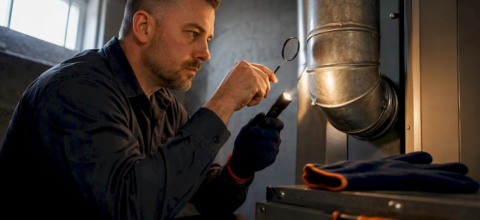
- Initial inspection: A technician assesses the duct system, checks for visible mold, measures debris levels, and identifies any moisture issues or structural damage to the ducts.
- System isolation: Supply and return vents are covered or sealed so that the vacuum creates true negative pressure throughout the system rather than losing suction at open registers.
- Mechanical agitation: Rotary brushes, compressed air whips, or pneumatic tools are inserted into the ductwork to dislodge settled debris from all surfaces including hard-to-reach bends.
- Negative pressure extraction: A truck-mounted or portable high-powered HEPA (High Efficiency Particulate Air) vacuum captures everything that was dislodged. The debris exits the duct system rather than recirculating.
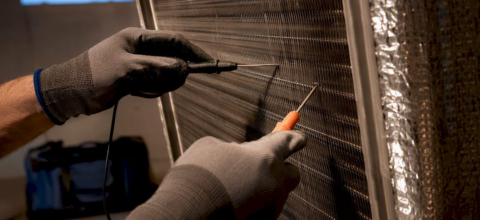
- Component cleaning: Air handler components, including the evaporator coil and blower assembly, are cleaned separately if they show visible contamination.
- Post-cleaning verification: A reputable provider will inspect the ducts after cleaning to confirm debris has been removed, often using a camera or visual inspection of key sections.
To understand what equipment is used for duct cleaning, the key distinction is between consumer-grade tools and commercial-grade systems. A household vacuum cannot generate the negative pressure needed to extract deeply settled particles. That’s not a sales pitch; it’s a basic mechanical reality.
| Method | Effective for allergens? | Risk of redistributing particles? | EPA-recommended? |
|---|---|---|---|
| Source removal with HEPA vacuum | Yes | Low, when done correctly | Yes |
| Chemical biocides alone | Partial | Moderate | Caution advised |
| Sealants applied to duct walls | No | Can trap debris, not extract it | Not recommended |
| DIY shop vac | No | High | Not applicable |
| Compressed air without capture | No | Very high | Not recommended |
Pro Tip: Ask any provider you’re considering whether they follow the duct cleaning checklist approach that includes pre-inspection, mechanical agitation, negative pressure extraction, and post-cleaning verification. If they can’t clearly describe each step, that’s a red flag.
Unqualified services can cause genuine harm. A company that blows compressed air into ducts without a capture vacuum will simply redistribute allergens, sending them into your home at higher concentrations than before. This is one of the most important things to understand before hiring anyone.
When is allergen removal necessary? EPA guidance and local triggers
Knowing the processes is only half the answer. It’s just as important to know when allergen removal is really necessary.
The EPA does not recommend cleaning ducts on a routine schedule for health purposes. That’s worth sitting with for a moment, because it contradicts what many service providers advertise. EPA recommends duct cleaning for visible mold, vermin infestation, or significant dust and debris in ducts or being released into the home. Outside of those conditions, the evidence for routine cleaning producing health benefits is not conclusive.
That said, there are clear situations where targeted allergen removal makes a genuine difference:
- Visible mold inside ducts or on components: This is a non-negotiable trigger. Mold spores recirculate with every cycle and pose real health risks, especially for children and immunocompromised individuals.
- Rodent or insect infestation: Pest droppings and debris are potent allergens. Cleaning after an infestation is both sensible and necessary.
- Excessive dust discharge: If you notice dust blowing from registers when the system starts, or if surfaces in your home accumulate dust unusually fast, signs you need duct cleaning are pointing to a real problem.
- Recent renovation: Construction work generates fine particles that coat duct interiors. A post-renovation cleaning significantly reduces the allergen load.
- New occupants with allergies or asthma moving in: In older homes in New York, New Jersey, and Connecticut, years of accumulated debris can be a serious trigger for sensitive individuals.
For local homeowners and property managers, there are additional regional factors to weigh:
- High seasonal pollen: Spring tree pollen and fall ragweed are intense in the tristate area, and a system running without clean ducts will recirculate captured pollen for months.
- Humidity swings: Summers in New Jersey and Connecticut are humid. Moisture inside ductwork accelerates mold growth. The impact of dust in ducts compounds when humidity creates the right conditions for biological growth.
- Older housing stock: Many homes in New York and New Jersey were built before current HVAC standards, with ductwork that has never been cleaned and has accumulated decades of debris.
Pro Tip: If you’re unsure whether your ducts need cleaning, request an inspection before committing to a full service. A trustworthy provider will tell you honestly whether cleaning is warranted rather than automatically upselling a service you may not need.
Our take: why choosing the right provider matters most
With the how and when now clear, let’s bring it home: why does your choice of air duct service really matter for your indoor air, and what can go wrong if you cut corners?
We’ve seen the full spectrum in our 10-plus years of serving homes and businesses across New York, New Jersey, and Connecticut. The honest truth is that a poorly executed duct cleaning can leave you worse off than before. Best-case, allergen load may decrease; worst-case, cleaning done poorly redistributes contaminants or worsens conditions. Qualified providers and thorough cleaning make all the difference.
What we’ve learned is that the companies causing the most harm often look indistinguishable from legitimate ones at first glance. They advertise aggressively, quote very low prices, and show up with equipment that looks professional. The difference appears in the process, not the packaging.
Here’s what separates a trustworthy provider from one you should avoid:
- They perform a pre-service inspection and tell you what they found, including whether cleaning is actually necessary
- They explain their equipment and can confirm it uses negative pressure with HEPA filtration
- They don’t push chemical treatments as a standard add-on without identifying a specific need
- They provide post-cleaning documentation or a visual walkthrough showing what was removed
- They don’t quote suspiciously low prices for “whole house” cleaning that couldn’t realistically be thorough at that rate
Choosing a provider for professional air duct cleaning is a decision that directly affects the air quality your family or employees breathe every day. Don’t base it on price alone. Look for experience, transparency about process, and a willingness to show you the before-and-after condition of your system.
The industry has no universal licensing requirement, which means anyone can call themselves a duct cleaner. Membership in organizations like NADCA (the National Air Duct Cleaners Association) signals that a provider has voluntarily met training and equipment standards. It isn’t a guarantee, but it’s a meaningful indicator.
Our strong position: when duct cleaning is warranted, doing it right matters more than doing it cheaply. A thorough source removal service done correctly may last years before another cleaning is needed. A poor one that redistributes allergens can actually shorten the time before symptoms return.
Next steps: safe, thorough allergen removal for your property
After learning what to watch for, you’re ready to take practical steps for cleaner, safer air.
If you’ve identified triggers in your home or commercial space, including visible dust discharge, recent construction, pets, or residents with allergies, the next step is a professional inspection from a provider you can trust. Not every situation requires a full cleaning, but knowing what’s actually in your system gives you the information to make the right call.

Amazon Air Duct Cleaning serves residential and commercial properties across New York, New Jersey, and Connecticut. Our team uses source removal methods with commercial-grade HEPA equipment, and we conduct pre and post-service inspections so you can see exactly what was cleaned and why. Whether you need professional air duct cleaning for your home or are managing a larger property that requires commercial duct cleaning, we provide straightforward assessments and honest recommendations, not automatic upsells. Reach out to schedule an inspection and find out what your ducts actually need.
Frequently asked questions
Does duct allergen removal really reduce allergy symptoms?
It can, but only if dust, pollen, mold, or other allergens are genuinely present in the ductwork. The EPA confirms that cleaning is recommended when ducts are visibly contaminated or releasing particles, not as a guaranteed remedy for all allergy symptoms.
How often should ducts be cleaned for allergy control?
There is no set schedule required for health purposes. The EPA does not recommend routine duct cleaning except when clear triggers like visible mold, infestation, or significant debris are present.
Are chemical treatments or biocides necessary for allergen removal?
No. The EPA cautions that chemical biocides and sealants are not fully researched and should only be considered after thorough physical debris removal, not as a substitute for it.
Can duct cleaning make air quality worse if done improperly?
Yes. An improper service can redistribute contaminants throughout your home rather than removing them, which is why the provider’s methods and equipment matter as much as the service itself.
What’s the best way to verify effective allergen removal?
Choose providers who use mechanical dislodging and high-powered vacuums with negative pressure and who offer a post-cleaning inspection or camera verification to confirm the results.
Recommended
- Understanding Dust in Ducts: Improve Your Home’s Air Quality – Amazon Air Duct Cleaning
- Does duct cleaning help with allergies? What homeowners should know – Amazon Air Duct Cleaning
- Air ducts in HVAC: how they shape your indoor air quality – Amazon Air Duct Cleaning
- Air Duct Cleaning Manchester I Call +1 (800) 482-8224