Document First, Sweep Later When You Find Creosote Buildup in NY NJ CT
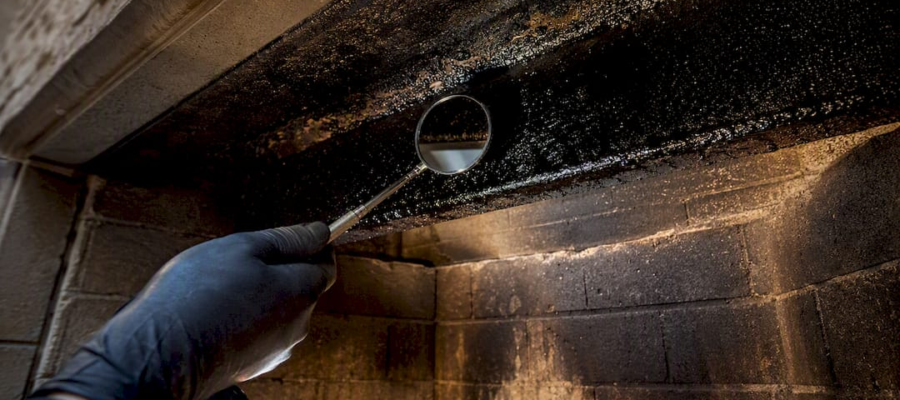
If you notice puffy or honeycomb-textured deposits, a glossy tar-like coating on the flue walls, a persistent smoky odor when the fireplace is cold, or smoke backing into the room, you’re looking at dangerous creosote buildup, possibly evidence of a past chimney fire. Stop using the fireplace or wood stove immediately and call a qualified chimney professional before you burn again.
TL;DR:
- Creosote deposits can progress from flaky soot to glazed, lacquered layers that require mechanical removal or relining, significantly increasing fire risk.
- Signs of past chimney fires include warped metal components, cracked tiles, and soot streaks, which often go unnoticed without a detailed inspection.
- Burning wet wood or low-ventilation fires accelerates creosote buildup, making regular, seasoned-hardwood burning and matching flue size essential for prevention.
- A Level 2 camera inspection before sweeping is crucial to accurately assess damage, document evidence, and avoid dislodging signs of previous fires.
- Immediate action is necessary when active flames or heat damage are visible, but even subtle signs like smoky odors or shiny residue require professional evaluation before cleaning.
Table of Contents
- What Are the Visible and Behavioral Signs of Creosote Buildup?
- What Do Creosote Stages 1, 2, and 3 Look Like?
- Signs of a Past Chimney Fire You Shouldn’t Ignore
- What Should You Do Right Now If You Spot These Signs?
- How Can You Prevent Creosote Buildup in the First Place?
- Why Does Inspecting Before Sweeping Matter So Much?
- A Local Provider’s Take on Creosote Safety
- Get a Chimney Inspection Before the Next Fire
- Sources
- FAQ
What Are the Visible and Behavioral Signs of Creosote Buildup?
Your eyes, nose, and ears are the first line of defense here. Creosote buildup rarely announces itself with a single dramatic clue. It usually shows up as a pattern of smaller signals that add up.
Start with what you can see inside the firebox. Black, tar-like residue on the damper, the glass doors, or the walls of the firebox is a clear warning. If that residue looks shiny or glazed rather than dull and flaky, the deposit has already progressed past the easy-to-remove stage.
Your nose is just as useful as your eyes. A persistent smoky or tarry smell coming from a cold fireplace, especially noticeable on humid or warm days, means creosote is off-gassing inside the flue. This happens because heat and moisture in the air pull odor compounds out of the deposits even when there’s no fire burning.
Pay attention to how the fireplace behaves during a burn, too. Smoke drifting back into the living room instead of drawing up the chimney signals restricted airflow, often from a narrowed flue. Unusual sounds during a fire, rumbling, rattling, or a crackling vibration in the metal connector pipe, can indicate creosote is igniting inside the chimney in a low-grade, contained burn.
Finally, walk outside and look at your roof and chimney cap to learn more about how to sell a fire-damaged house in Miami Dade without rebuilding. Soot streaks, dark flaking residue on the shingles near the chimney, or discoloration on the cap itself often point to deposits that have already ignited and vented material outward.
- Black, tar-like, or glossy residue in the firebox or on the damper
- Smoky or tar odor when the fireplace is cold
- Smoke backing into the room instead of drawing up the flue
- Rumbling, rattling, or vibrating sounds during a fire
- Soot streaks or burned flakes on the roof or chimney cap
The CSIA identifies creosote accumulation as the leading cause of chimney fires in the U.S., and most of these signs show up well before a fire ever starts.
What Do Creosote Stages 1, 2, and 3 Look Like?
Chimney professionals classify creosote into three stages, and knowing which one you’re dealing with tells you how urgent the problem is and what kind of cleaning it will take.
- Stage 1 looks flaky and soot-like, similar to ash. It brushes away easily with a standard chimney brush and carries the lowest immediate fire risk, though it’s still a sign your burning habits need adjusting.
- Stage 2 is tar-like, sticky, and often shiny in patches. A basic brush won’t fully remove it, and these deposits typically require rotary cleaning tools or chemical treatment to break down.
- Stage 3 is glazed and lacquered, almost like a hardened coating bonded directly to the flue liner. This is the most dangerous stage and often requires aggressive mechanical or chemical removal, sometimes relining the chimney entirely.
- Expanded (puffy or honeycomb) creosote isn’t a stage so much as evidence. It forms after ignition and looks fragile, almost like blackened popcorn. Because it’s brittle, it should be photographed and documented before any sweeping takes place.
Signs of a Past Chimney Fire You Shouldn’t Ignore
Not every chimney fire looks like the ones in movies, with flames shooting out the top and neighbors calling 911. Many are quiet, smoldering events that leave damage behind without ever producing visible flames from outside.
Warped, discolored, or buckled metal on the damper or connector pipe is one of the clearest indicators. Metal doesn’t twist from ordinary use. Cracked or fractured clay flue tiles are another major red flag, along with mortar that looks crumbly or displaced inside the flue. On the masonry itself, look for heat blistering, spalled brick, or a crown that’s chipped or split.
- Warped or discolored metal dampers and connector pipes
- Cracked, fractured, or shifted clay flue tiles
- Heat-blistered masonry, spalled brick, or a damaged chimney crown
- Puffy, expanded creosote flakes found on the roof or ground near the chimney
The Essex, Connecticut fire safety page lists these exact physical markers as evidence of a chimney fire that already happened. Many chimney fires never get noticed in the moment; structural damage like cracked flue tiles is often found only when a camera scans the flue after the fact, which is exactly why a visual walkthrough alone isn’t enough.
What Should You Do Right Now If You Spot These Signs?
Finding one or more of these signs doesn’t mean you need to panic, but it does mean you need to act in the right order. Skipping steps, especially cleaning before documenting, can destroy evidence you might need later.
- If you see active flames, hear roaring sounds, or notice sparks coming from the chimney, evacuate the house and call 911 immediately. This is an active fire emergency, not a maintenance issue.
- Stop using the fireplace or stove right away, even if the fire seems to have gone out on its own. Continuing to burn on top of damaged components risks a repeat fire or carbon monoxide exposure.
- Photograph anything unusual before you touch it. If you suspect expanded creosote or heat damage, documenting it first preserves evidence for insurance and for the technician who inspects it.
- Schedule a Level 2 camera inspection with a chimney professional who follows CSIA and NFPA-informed protocols. This produces a written report on the flue’s internal condition before any major cleaning or relining begins.
Pro Tip: Never let anyone sweep your chimney before a camera inspection if you suspect a fire has already happened. Sweeping first can knock loose the exact evidence, warped joints, cracked tiles, and expanded creosote, that a technician needs to confirm the damage and write an accurate report for your insurer.
How Can You Prevent Creosote Buildup in the First Place?
Most creosote problems trace back to the same root cause: burning wood that’s too wet, in conditions that don’t let it burn hot and clean. Fix that, and you fix most of the risk.
Burn only seasoned hardwood with a moisture content below 20%. A cheap moisture meter from a hardware store settles the question in seconds, and wood above that threshold produces significantly more smoke and creosote than properly dried fuel. Avoid damping down the fire for a long, slow overnight burn. Those low, air-starved fires produce cool, smoky exhaust that condenses into creosote far faster than a hot, well-ventilated fire does. Make sure your flue size actually matches your appliance. An oversized flue cools exhaust gases too quickly, which accelerates deposit formation even with good wood.
- Burn wood seasoned to under 20% moisture
- Never damp down a fire for a slow overnight burn
- Match flue size to your appliance’s output
- Keep dampers and connector pipes clear for full airflow
Routine annual chimney sweeping with an inspect-then-sweep approach catches Stage 1 deposits before they progress. If a technician finds Stage 3 glazing or signs of fire damage, that’s when the job escalates to Level 2 or Level 3 remediation, which can include relining.
Why Does Inspecting Before Sweeping Matter So Much?
A camera inspection isn’t a formality. It’s the only reliable way to see inside a flue that quietly caught fire without anyone noticing, and it’s the difference between an honest repair estimate and guesswork.
A Level 2 camera inspection examines the full length of the flue, checking for cracked tiles, separated joints, and heat damage that a flashlight and mirror simply can’t reveal. Documenting expanded creosote before cleaning protects you two ways: it gives your insurance adjuster physical proof of what happened, and it gives your technician an accurate picture before deciding whether the job calls for mechanical brushing, rotary cleaning, chemical treatment, or a full reline.
- Inspect first, sweep second, always, when fire is suspected
- Photograph puffy or expanded creosote before any brushing begins
- Match the remediation method (brushing, rotary, chemical, relining) to the stage found
- Keep the written inspection report for insurance and future service records
Amazonairpro’s technicians follow this sequence on every job across New York, New Jersey, and Connecticut, and it’s outlined step by step in our fireplace cleaning workflow guide.
A Local Provider’s Take on Creosote Safety
I’ve reviewed enough chimney inspection reports to know that homeowners almost never overestimate the risk. If anything, they underestimate it, because a chimney that “looks fine” from the living room can still be hiding cracked tiles or glazed Stage 3 deposits three feet up the flue. The inspect-first approach isn’t bureaucratic caution. It’s what actually protects your house and your insurance claim if something did happen. Amazonairpro’s crews serve homeowners and property managers across New York, New Jersey, and Connecticut, and we’d rather walk you through what we find on camera than guess based on what’s visible from the hearth.
— Victor
Get a Chimney Inspection Before the Next Fire
Amazonairpro gives you what a quick look with a flashlight can’t: a documented camera inspection that shows exactly what’s happening inside your flue before anyone touches a brush.

If you’ve spotted any of the signs covered above, glazed deposits, smoky odors, warped metal, or puffy creosote on the roof, the next move is a professional look, not a guess. Our technicians perform Level 2 camera inspections, deliver a written report, and coordinate any needed cleaning or repair in one visit. If you suspect a past fire, photograph what you can see and hold off on sweeping until a technician documents it properly. Amazonairpro serves homeowners and property managers throughout New York, New Jersey, and Connecticut. Book a chimney cleaning and inspection today and get a clear answer instead of a guess.
Sources
For deeper reading, see CSIA’s homeowner fire facts, Level 2 inspection guidance, and Essex, CT’s fire safety page.
- Creosote guide — FindChimneySweepers
- Chimney Fire Safety — Essex CT
- Measuring firewood moisture content — Ready to Burn
FAQ
How Do You Get Rid of Creosote Buildup?
Removal depends on the stage: Stage 1 soot brushes out easily, Stage 2 tar-like deposits usually need rotary or chemical treatment, and Stage 3 glazed coatings often require aggressive mechanical work or relining. A professional inspection determines which method fits your flue.
Is Breathing Creosote Fumes Harmful?
Yes. Creosote fumes contain irritants that can affect your respiratory system with prolonged exposure, and the smoky odor from a cold fireplace is a sign those compounds are already off-gassing into your home.
How Fast Can Creosote Build Up?
Buildup speed depends heavily on burning habits. Wet wood, air-starved overnight burns, and oversized flues can push deposits into Stage 2 or 3 within a single burning season, while proper technique and seasoned wood slow the process considerably.
Does Burning Aluminum Cans Remove Creosote?
No, and this common myth can be dangerous. There’s no reliable evidence that burning aluminum cans breaks down creosote, and introducing foreign materials into a fire raises the risk of unpredictable combustion. Mechanical or chemical treatment by a professional is the safe, effective route.
Recommended
- Fireplace Cleaning Workflow: What to Expect in NY/NJ/CT
- Avoid $2,000 Chimney Repairs: Creosote Removal Cost in NY, NJ & CT
- Top Reasons to Schedule Chimney Sweeps for Homeowners
- Top 7 benefits of chimney cleaning for NY, NJ & CT homes