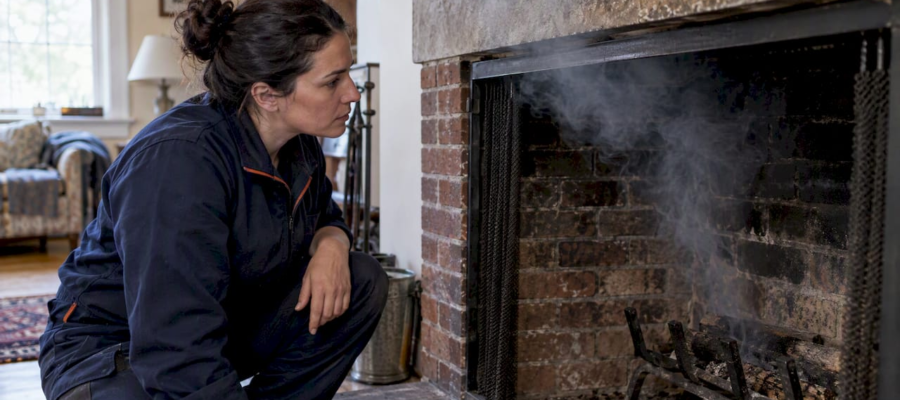
Chimney Draft Problems in NY, NJ & CT: CO Safety Before DIY
Most chimney draft problems trace back to one of three issues: a blockage somewhere in the flue, a chimney that is too short or sized wrong for the appliance, or a house that is too depressurized for air to flow up and out naturally. If you smell smoke indoors, hear a CO alarm, or notice headaches, dizziness, or nausea, leave the house, get everyone into fresh air, and call emergency services before doing anything else. Once you are safe, the troubleshooting steps below will help you figure out what is actually going wrong.
TL;DR:
- If a CO alarm sounds, leave immediately, get everyone outside, and do not reenter until emergency responders or a technician clears the home.
- Before lighting a fire, crack a nearby window; improved draft points to house depressurization, while stalled smoke at the open damper signals a venting problem.
- Code guidance calls for the chimney to rise at least 3 feet above the roof penetration and 2 feet above building parts within 10 feet.
- Schedule annual inspections, and request a Level II camera scan after an appliance change or concerning visual findings; heavy creosote or liner damage requires professional attention.
Table of Contents
- Common Causes of Chimney Draft Problems
- Safe Steps to Troubleshoot a Weak or Reversed Draft
- When to Call a Professional and What an Inspection Covers
- How Chimney and Appliance Design Affect Draft
- Safety Risks: Carbon Monoxide, Creosote, and How to Stay Protected
- Preventive Maintenance That Keeps Draft Problems From Coming Back
- Field Perspective: What We Find Most Often on Service Calls
- Think of Draft Problems as a System, Not a Single Fix
- How We Help Diagnose and Fix Chimney Draft Problems
- FAQ
- Sources
Common Causes of Chimney Draft Problems
Draft problems rarely have a single cause. We usually find a combination of factors working against each other, and matching your symptoms to the right one saves time and money.
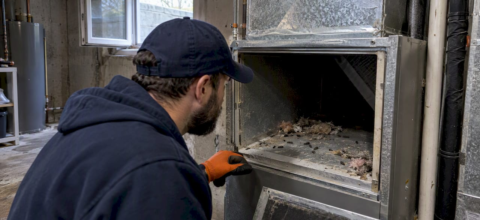
- Blockages: Bird nests, leaves, and heavy creosote buildup narrow the flue passage, reducing airflow and sometimes forcing smoke back into the room instead of up and out.
- Undersized or too-short chimneys: A flue that does not match the appliance’s output, or a chimney that falls short of code height, struggles to generate enough draft under normal conditions.
- House depressurization: Exhaust fans, clothes dryers, and tightly sealed HVAC systems can pull air out of a home faster than it comes in, creating negative pressure that competes with the chimney for air. Newer, tightly built homes are especially prone to this because they lack the natural leakage older houses had.
- Cold flue at startup: A flue that has not warmed up yet holds cooler, denser air that resists rising, which is why a fire can smoke heavily for the first few minutes before draft establishes itself.
- Wind and weather: Gusts hitting the chimney cap at certain angles can push air back down the flue, causing whistling, downdraft, or puffs of smoke into the room.
The Chimney Safety Institute of America and other industry sources point out that house depressurization and improper flue sizing are among the most overlooked causes, especially in homes that have been weatherized or had new HVAC equipment installed without reassessing how the chimney vents.
Safe Steps to Troubleshoot a Weak or Reversed Draft
Before testing anything, confirm your CO alarms are working and placed near sleeping areas. Never operate a fuel-burning appliance if you suspect carbon monoxide is present in the home.
- Check your CO alarms first. If one is sounding, evacuate immediately and do not re-enter until the home has been cleared by emergency responders or a technician.
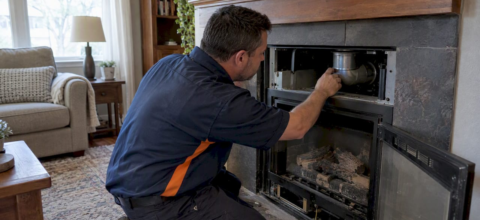
- Look into the flue with a flashlight. Check for nests, obvious debris, or heavy black glazing that signals creosote buildup.
- Run a smoke test. Light a match or incense stick near the open damper before starting a fire. Smoke that curls upward confirms draft is working; smoke that stalls or drifts into the room signals a problem.
- Check house pressure. Crack a window near the fireplace and see if draft improves. If it does, your home is likely too depressurized for the chimney to compete with exhaust fans or HVAC equipment.
- Prime the flue before lighting a full fire. Hold a rolled newspaper or fire starter lit near the damper opening for a minute or two to warm the cold air column and encourage upward flow.
- Watch the damper and cap. Make sure the damper opens fully and that a top-mounted cap or damper moves freely and is not rusted shut or blocked by debris.
Pro Tip: Crack a window on the same floor as the fireplace for a minute before lighting a fire. It is often the fastest fix for a sluggish start in an airtight home.
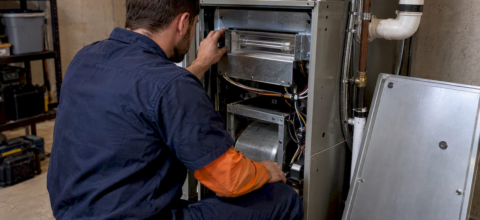
If you see heavy creosote, suspect a cracked liner, or notice draft problems that started after a new furnace, boiler, or water heater was installed, stop troubleshooting on your own. These situations point to structural or venting issues that need a qualified technician, not a DIY fix.
When to Call a Professional and What an Inspection Covers
Some signs mean it is time to schedule a professional inspection rather than keep testing on your own.
- Persistent backdraft or smoke in the room, even after basic priming and ventilation checks.
- A CO alarm that has activated, or ongoing symptoms like headaches or dizziness when the appliance is running.
- Heavy or glazed creosote visible during a flashlight check.
- Any appliance swap or home sale, since a new unit or a buyer’s lender often requires a documented inspection.
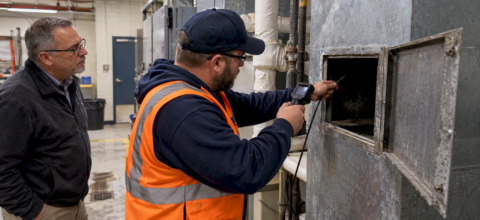
Technicians typically perform a visual and camera scan of the flue, a smoke test, measurements to confirm the flue matches the appliance, and checks of the cap, damper, and crown following recommended grease duct cleaning requirements standards. According to CSIA’s Level II inspection guidance, this level of inspection includes a full video scan of the interior liner along with checks of clean-outs, offsets, and thimbles, which is why it is standard whenever an appliance changes or a Level I visual check turns up something questionable. Common outcomes include a mechanical sweep, relining recommendations, cap or damper replacement, or in some cases a height modification to bring the chimney into compliance.
How Chimney and Appliance Design Affect Draft
Draft forms because warm air inside the flue is less dense than the cooler air outside, so it rises and pulls combustion gases up and out. This is a surprisingly weak force to rely on. EPA research on residential wood combustion notes that natural draft depends on a small buoyancy-driven pressure difference, and when that difference is not enough, mechanical draft or other design changes become necessary.
- Height matters. Industry guidance based on NFPA and IRC rules requires a chimney to extend at least 3 feet above the roof penetration and at least 2 feet higher than any part of the building within 10 feet. Falling short of either measurement commonly causes turbulence and downdraft.
- Flue size has to match the appliance. A flue that is too large for a small appliance cools the exhaust too quickly; one that is too small restricts flow. The EPA’s Burnwise program warns that installing a new hearth appliance without confirming the existing chimney can vent it safely is a common cause of carbon monoxide problems.
- Liners, offsets, and long horizontal runs all add resistance that a weak draft may not overcome.
- House depressurization sometimes calls for a dedicated makeup-air inlet, or in some cases a switch to a direct-vent appliance that does not rely on natural draft at all.
Safety Risks: Carbon Monoxide, Creosote, and How to Stay Protected
Draft problems are not just an inconvenience. A chimney that cannot vent properly can push combustion byproducts, including carbon monoxide, back into living spaces.
More than 150 people in the United States die every year from accidental, nonfire-related carbon monoxide poisoning, according to USFA/FEMA data, which underscores why working CO alarms near sleeping areas are not optional.
- Watch for CO symptoms: headache, dizziness, nausea, and confusion are early warning signs, and they can worsen quickly in a closed home.
- Check and clean chimneys annually. The CDC recommends yearly chimney checks or cleanings because blocked chimneys are a common source of indoor CO buildup.
- Treat heavy creosote as a fire risk, not just a draft issue. Glazed or thick creosote layers can ignite inside the flue, and mechanical sweeping, not chemical cleaners alone, is the recommended way to remove it.
- If you suspect CO, ventilate and leave immediately, then call emergency services or a qualified technician before using the appliance again.
For a deeper look at CO exposure and alarm placement, our guide on carbon monoxide risks in chimneys covers the topic in more detail.
Preventive Maintenance That Keeps Draft Problems From Coming Back
A realistic maintenance routine prevents most of the causes covered above from building up in the first place.
- Schedule annual inspections, more often for heavy-use wood stoves or fireplaces burning several times a week through the winter.
- Expect a proper sweep to include mechanical brushing, vacuuming of loosened debris, a camera check of the liner, and a check of the damper and cap.
- Burn seasoned wood and prime the flue before each fire to reduce creosote formation and improve draft from the start.
- Reassess venting before swapping appliances. A new furnace or wood stove installed without checking the existing flue is a frequent source of draft complaints.
Pro Tip: Chemical chimney cleaners can help loosen light soot between sweeps, but they are not a substitute for a mechanical cleaning. CSIA guidance is clear that brushing combined with inspection is the recommended standard for removing creosote and catching hidden damage.
Field Perspective: What We Find Most Often on Service Calls
Across our years working in homes throughout New York, New Jersey, and Connecticut, the same handful of issues show up again and again: a makeup-air fix resolves a downdraft that looked like a structural problem, a camera scan finds a nest or a thick creosote layer that a flashlight check missed, or a stuck cap turns out to be the entire cause of a whistling draft. Offsets, gaps at the thimble, and damaged liners are easy to miss without a camera, which is why a documented inspection with clear next steps and transparent pricing matters more than a quick visual glance.

Think of Draft Problems as a System, Not a Single Fix
The biggest mistake homeowners make is chasing one cause when draft problems are almost always the result of the chimney, the appliance, and the house interacting. A sweep alone will not fix a depressurized house, and sealing up drafts will not fix a chimney that is two feet short of code. Treating the whole system, with a working CO alarm as the non-negotiable baseline, cuts down on repeat service calls and keeps the fix permanent instead of temporary.
— Victor
How We Help Diagnose and Fix Chimney Draft Problems
If you have gone through the checks above and still have a weak, reversed, or inconsistent draft, a professional inspection gets you a clear answer instead of more guesswork. We handle chimney cleaning and inspections throughout New York, New Jersey, and Connecticut, with over 10 years of field experience diagnosing the exact issues covered in this guide.

A typical visit includes:
- A camera inspection of the flue to check for nests, creosote buildup, cracks, or offsets that a flashlight cannot reveal.
- A check of the cap, damper, and crown to confirm nothing is restricting airflow.
- Written findings and recommendations, with transparent pricing before any work begins.
If your home is in our New York or New Jersey service area, you can book a chimney sweep online and have a technician document the exact cause of your draft problem at the appointment, not after the fact.
FAQ
What causes a chimney to lose draft suddenly?
A sudden loss of draft is usually a blockage, such as a nest, debris, or heavy creosote, or a new source of house depressurization like a recently installed exhaust fan or HVAC system. A quick flashlight check of the flue and a test with a window cracked nearby can help narrow down which one applies.
How do I know if my chimney has a backdraft problem?
Backdraft shows up as smoke or odors entering the room instead of venting outside, often worse when exhaust fans or the clothes dryer are running. A simple smoke test near the open damper, done before lighting a fire, will show whether air is moving up the flue or stalling.
Can I fix poor chimney draft myself?
Basic steps like priming the flue, checking the damper, and opening a window for makeup air are safe for most homeowners to try. Heavy creosote, suspected cracks, or draft problems tied to a new appliance installation call for a professional inspection rather than a DIY fix, since the EPA notes that mismatched venting after an appliance change is a common safety issue.
How often should a chimney be inspected for draft issues?
Most chimneys benefit from an annual inspection, with more frequent checks for wood stoves or fireplaces used several times a week. The CDC recommends yearly chimney checks or cleanings specifically to prevent blockages that can lead to carbon monoxide buildup.
What is the difference between a Level I and Level II chimney inspection?
A Level I inspection is a basic visual check of accessible parts of the chimney, while a Level II inspection adds a full video scan of the interior liner along with checks of clean-outs, offsets, and thimbles. Level II is generally required after an appliance change, a chimney fire, or when a Level I check raises concerns that need a closer look.
Sources
For readers who want to dig into the standards behind this guide, these are the primary references worth reviewing.
- Carbon monoxide is a colorless, odorless, and poisonous gas — USFA / FEMA
- Carbon Monoxide Poisoning Basics — CDC
- Homeowner resources — Chimney Safety Institute of America (CSIA)
- Wood-burning installation and maintenance — EPA Burnwise
- Effects of design factors on emissions from residential wood combustion appliances — EPA report
Recommended
- Stop Chimney Smoke Backdrafts in NY, NJ, CT: 6 Quick Fixes
- Prevent Chimney Fires: Fireplace Damper Cleaning for NY/NJ/CT Homes
- Top 7 benefits of chimney cleaning for NY, NJ & CT homes
- Document First, Sweep Later When You Find Creosote Buildup in NY NJ CT