Multi-unit duct cleaning: what managers need to know
TL;DR:
- Multi-unit duct cleaning involves servicing shared HVAC systems to prevent cross-contamination among tenants.
- Cleaning is necessary only when visible mold, contamination, or IAQ issues are present, not on fixed schedules.
- Proper inspection, documentation, licensed contractors, and compliance with local codes are essential for safe, effective service.
If you manage or own a multi-unit building in New York, New Jersey, or Connecticut, you’ve probably heard conflicting advice about duct cleaning. Some contractors push annual service contracts. Others say cleaning is rarely necessary. The truth sits somewhere in between, and the stakes are higher when dozens of tenants share the same ventilation system. This article cuts through the noise by covering what multi-unit duct cleaning actually is, when it’s genuinely needed, what makes it more complex than a standard home job, and how to make smart, defensible decisions for your property.
Table of Contents
- What is multi-unit duct cleaning?
- Why and when is multi-unit duct cleaning necessary?
- Unique risks and challenges in multi-unit buildings
- How multi-unit duct cleaning is done: Methods, technologies, and what to expect
- A fresh perspective on multi-unit duct cleaning: What most pros won’t tell you
- Need reliable multi-unit duct cleaning in NY, NJ, or CT?
- Frequently asked questions
Key Takeaways
| Point | Details |
|---|---|
| Routine cleaning myths | Clean multi-unit ducts only for visible issues or after certain triggers, not on a fixed schedule. |
| Unique building risks | Shared duct systems in multi-unit homes can quickly spread contaminants if not properly cleaned and maintained. |
| Code compliance matters | Managers must ensure cleaning is done by licensed, insured pros with full tenant notice and records. |
| Professional methods required | Specialized equipment and training are necessary to avoid duct damage and ensure safe, effective cleaning in multi-unit settings. |
| Prioritize inspection | Regular inspection and prompt action on real issues yield bigger health and cost benefits than routine cleanings alone. |
What is multi-unit duct cleaning?
Multi-unit duct cleaning refers to the professional cleaning and sanitizing of the full HVAC duct network serving multiple dwelling units, such as apartments, condominiums, co-ops, and multi-family homes. Unlike a single-family home where one household controls the entire system, multi-unit buildings share ductwork across floors, wings, or the whole structure. That shared infrastructure changes everything.
In a single home, a dirty duct is a private problem. In a multi-unit building, one contaminated section can circulate dust, mold spores, pet dander, or smoke into every connected unit. The scope of work is also larger: more access points, more coordination, and more regulatory requirements.

Here’s a quick comparison to put the differences in context:
| Factor | Single-family home | Multi-unit building |
|---|---|---|
| Who hires | Homeowner | Property manager or HOA |
| System scope | One household | Entire building network |
| Contamination risk | Isolated | Spreads across units |
| Logistics | Simple scheduling | Tenant notice, code compliance |
| Regulatory burden | Minimal | Licensing, insurance, logs |
Common contaminants found in multi-unit duct systems include:
- Accumulated dust and debris from years of use
- Pet dander from multiple tenants over time
- Mold growth in humid or poorly ventilated sections
- Renovation dust from past construction work
- Smoke residue from previous occupants
- Pest debris in older buildings
The signs your air ducts need cleaning in a multi-unit setting are often more subtle than in a home, because no single tenant sees the full picture. That’s why building managers need a more systematic approach to knowing when ducts need cleaning rather than relying on tenant complaints alone.
It’s also worth noting that NADCA standards and EPA guidance both state that duct cleaning should only happen when there is visible contamination, mold, or documented indoor air quality (IAQ) issues, not on a fixed calendar. That applies to multi-unit buildings just as much as single homes.
Why and when is multi-unit duct cleaning necessary?
Once you understand what multi-unit duct cleaning means, the next question is why and exactly when it’s truly necessary. The answer isn’t a simple schedule. It’s a judgment call based on documented conditions.
Both NADCA (the National Air Duct Cleaners Association) and the EPA agree: clean only when warranted, meaning visible mold, confirmed contamination, persistent odors, or tenant IAQ complaints. Routine cleaning without these triggers hasn’t been proven to deliver consistent health benefits and can actually cause re-contamination if done improperly.
That said, a conditional 2 to 5 year cleaning cycle makes sense when your building has heavy occupancy, pets, recent renovations, or a history of smoke. These factors accelerate buildup in ways that standard inspections might miss.
Here’s what the evidence says about the benefits when cleaning is warranted:
| Benefit | What the data shows |
|---|---|
| Energy efficiency | Reduces energy use 25-40% when ducts are heavily fouled |
| Fire risk | Dryer vent buildup causes roughly 2,900 U.S. fires per year |
| IAQ improvement | Fewer allergy symptoms reported by tenants post-cleaning |
| Equipment lifespan | Cleaner systems experience fewer breakdowns and repairs |
Pro Tip: Don’t let a contractor sell you a routine annual contract without documented justification. Ask for a written inspection report first. If there’s no visible contamination or IAQ complaint on record, cleaning may not be necessary yet.
To decide whether when ducts need cleaning applies to your building right now, follow these steps:
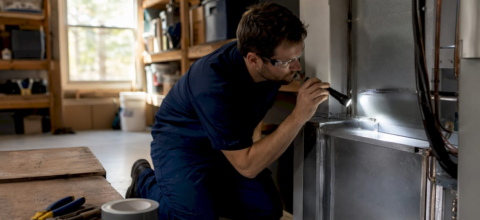
- Inspect visually. Check accessible vents and registers for visible dust buildup, discoloration, or debris.
- Review maintenance logs. When was the last cleaning? What conditions were noted?
- Collect occupant feedback. Are tenants reporting unusual odors, increased allergy symptoms, or visible dust near vents?
- Check for trigger events. Recent renovation, new pest infestation, water damage, or a tenant who smoked indoors all warrant assessment.
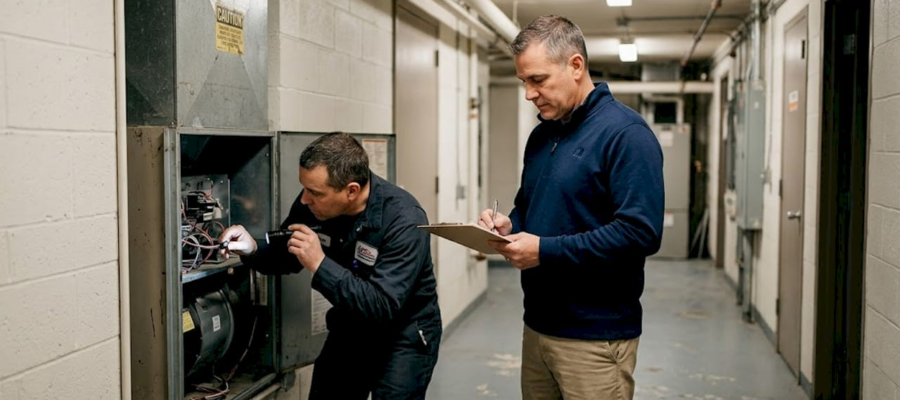
- Commission a professional inspection. A qualified technician can assess signs of dirty ducts objectively before any cleaning begins.
Following this process protects you from unnecessary spending and creates a defensible paper trail if questions arise later.
Unique risks and challenges in multi-unit buildings
Knowing when multi-unit duct cleaning is necessary is only part of the story. The unique challenges in these buildings make professional expertise and compliance non-negotiable.

The single biggest risk is cross-contamination. Because ductwork in multi-unit buildings connects multiple living spaces, a mold problem in one unit’s branch can spread spores throughout the system during cleaning if proper containment isn’t used. The same applies to smoke odors, pest debris, and construction dust.
Here are the most common risks property managers face:
- Mold spread through shared return air pathways during improper cleaning
- Smoke or odor migration between units if ducts are disturbed without containment
- Damage to flex ducts from aggressive brushing or improper equipment
- Code violations from skipping required tenant notification or using unlicensed contractors
- Liability exposure if a tenant experiences health issues tied to a cleaning job gone wrong
- Incomplete cleaning that leaves contamination in hard-to-reach branches
“Risks are amplified by shared systems spreading contaminants between units, making licensed, insured, and code-compliant service the only responsible choice for multi-unit properties.”
In New York, New Jersey, and Connecticut, local codes require that HVAC contractors carry at least $1 million in liability insurance, maintain detailed maintenance logs, and provide tenants with at least 24 hours of advance notice before any work begins. These aren’t suggestions. They’re legal requirements.
For facility managers overseeing larger commercial or mixed-use properties, the compliance burden is even greater. A vent cleaning guide for NY, NJ, and CT can help you understand what documentation you need to keep on file. Property managers should also review the guide for property managers to understand your specific obligations to tenants.
DIY approaches or hiring unlicensed contractors to save money is a genuine red flag scenario. The legal and health consequences of getting this wrong in a multi-unit building far outweigh any short-term savings.
How multi-unit duct cleaning is done: Methods, technologies, and what to expect
Given the risks and complexity, how is multi-unit duct cleaning actually performed, and what should you expect from a professional service?
There are three main cleaning approaches used in multi-unit buildings:
- Negative air machines: A powerful vacuum creates negative pressure in the duct system, pulling debris toward a collection point. This is the most common method.
- Agitation-brush systems: Rotating brushes loosen stuck debris before it’s vacuumed out. Works well in rigid metal ducts.
- Positive pressure (RamAir): Compressed air is pushed through the system to dislodge contaminants. RamAir and similar methods are especially useful for fragile flex ducts or fiberboard ducts that can tear under aggressive brushing.
The choice of method matters. Older prewar co-ops in Manhattan often have original ductwork that won’t tolerate aggressive mechanical brushing. Modern condos with flexible duct runs need a gentler approach. A legitimate contractor will assess your system before recommending a method.
Here’s a typical process for a professional multi-unit job:
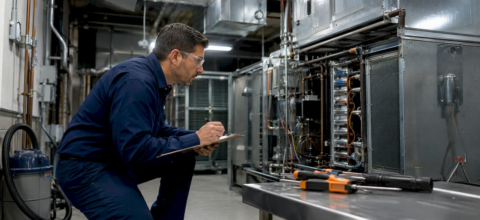
- Pre-inspection. Technicians document existing conditions with photos and notes.
- Record review. Previous cleaning logs and any known IAQ issues are reviewed.
- Tenant notification. Required 24-hour notice is issued per local code.
- System shutdown. HVAC units are powered down safely before work begins.
- Cleaning. Ducts are cleaned section by section using the appropriate method, with debris captured before it can re-enter living spaces.
- Follow-up air quality check. Post-cleaning IAQ readings confirm the work was effective.
Pro Tip: Before signing any contract, ask your contractor specifically what equipment they use, how they protect fragile ductwork, what their insurance coverage is, and whether they’ll provide before-and-after documentation. Any hesitation to answer those questions clearly is a red flag.
You can also review what equipment is used to clean air ducts and the residential vent cleaning steps that apply to connected units within your building.
Expect some short disruptions during the job: brief system shutdowns, technicians moving through hallways, and temporary signage near work areas. A professional crew minimizes this and communicates clearly with tenants throughout.
A fresh perspective on multi-unit duct cleaning: What most pros won’t tell you
Here’s something worth sitting with for a moment: the biggest mistake most building managers make isn’t skipping duct cleaning. It’s following a rigid schedule without asking whether cleaning is actually needed.
We’ve seen buildings where annual cleaning contracts were renewed for years with no documented justification. The ducts were fine. The money was wasted. Meanwhile, other buildings ignored a post-renovation cleanup for 18 months and ended up with tenant complaints and a legitimate IAQ problem.
The real lesson? Documentation and responsive action matter far more than any fixed schedule. A thorough duct cleaning checklist combined with regular inspections gives you the evidence to act when it’s needed and to confidently hold off when it isn’t. That paper trail also protects you legally if a tenant ever raises a health concern.
Edge scenarios require expert judgment, not cookie-cutter contracts. High tenant turnover, recent construction, or a unit with moisture damage all call for a professional assessment, not a calendar reminder. Focus on transparency and evidence, and you’ll make better decisions for your building and your tenants.
Need reliable multi-unit duct cleaning in NY, NJ, or CT?
If you’re ready to ensure safer, healthier air in your multi-unit property, turn knowledge into action. At Amazon Air Duct Cleaning, we’ve spent over 10 years serving residential and commercial clients across New York, New Jersey, and Connecticut. We’re licensed, fully insured, and familiar with the specific code requirements that apply to multi-unit properties in this region.

Whether you manage a small co-op or a large apartment complex, our team can assess your system, provide proper documentation, and deliver code-compliant service with full tenant notification. Explore our multi-unit air duct cleaning services or learn more about our commercial air duct cleaning in NY and NJ. Contact us today to schedule a consultation and get a clear, honest assessment of what your building actually needs.
Frequently asked questions
How often should multi-unit ducts be cleaned in NY, NJ, or CT buildings?
NADCA and EPA guidance recommends cleaning only when there is visible contamination, IAQ issues, or following major renovations, generally every 2 to 5 years if building conditions warrant it. A fixed annual schedule without documented triggers is not supported by current standards.
What risks are specific to multi-unit duct cleaning?
Shared ductwork can spread contaminants between units if cleaning is done without proper containment, and buildings in NY, NJ, and CT must comply with insurance, licensing, and tenant notification requirements. Skipping these steps creates both health and legal liability.
Does duct cleaning really improve indoor air quality and energy use?
When genuine contamination exists, professional cleaning can reduce energy use 25-40% and meaningfully improve conditions for allergy sufferers. The key word is “when”: cleaning a system that isn’t actually dirty delivers little measurable benefit.
What should property managers confirm before hiring a duct cleaning service?
Verify that the contractor is licensed, carries at least $1 million in liability insurance, uses equipment appropriate for your duct type, and will provide the required tenant notices per local codes in NY, NJ, and CT. Ask for written documentation before and after the job.
Recommended
- Complete duct cleaning checklist: boost air quality 41% – Amazon Air Duct Cleaning
- When to Get Your Air Ducts Cleaned, According to Pros
- Why Clean Air Ducts are Important? – Amazon Air Duct Cleaning
- Why Duct Cleaning Is Important for Business Success