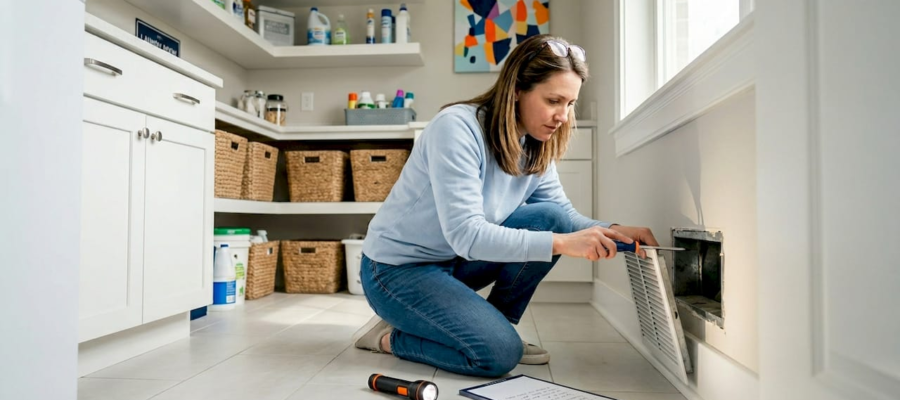
Scheduling Seasonal Vent Cleaning: a Homeowner’s Guide
TL;DR:
- Scheduling seasonal vent cleaning helps maintain indoor air quality, boost HVAC efficiency, and reduce fire risks. Regular inspections and professional deep cleaning, especially before heavy use seasons, are essential for homes with pets, allergies, or complex duct systems. Proper timing, routine filter changes, and thorough post-cleaning checks ensure optimal system performance and safety.
If the air in your home feels stuffy after a long winter or your HVAC system seems to be working harder than it should, your vents may be the problem. Scheduling seasonal vent cleaning is one of the most practical steps you can take to protect indoor air quality, reduce fire risk, and keep your heating and cooling system running at peak efficiency. For homeowners and property managers across New York, New Jersey, and Connecticut, where seasonal temperature swings push HVAC systems hard year-round, a consistent vent maintenance schedule is not optional. It’s a real safety measure.
Table of Contents
- Key takeaways
- Scheduling seasonal vent cleaning: what to do first
- How to plan and book your vent cleaning appointments
- Common mistakes and how to avoid them
- Verifying the results after your cleaning
- My honest take on seasonal vent cleaning
- Ready to schedule with Amazonairpro?
- FAQ
Key takeaways
| Point | Details |
|---|---|
| Best timing is spring and fall | Scheduling in spring and fall keeps your HVAC ready before heavy use seasons begin. |
| Frequency depends on your home | High-use households, pets, or complex duct layouts may need cleaning twice per year. |
| Watch for warning signs | Longer drying times, musty odors, and weak airflow all signal that cleaning is overdue. |
| Interim maintenance matters | Replacing filters every 30 to 90 days slows recontamination between professional visits. |
| Professional cleaning goes deep | Industry-standard cleaning uses camera inspections and HEPA vacuums to capture what you cannot see. |
Scheduling seasonal vent cleaning: what to do first
Before you call a service provider, a few minutes of your own inspection can save you time and money. Knowing what you are working with helps you communicate clearly with professionals and make smarter decisions about timing.
Know your vent types
Most homes in NY, NJ, and CT contain a mix of systems worth checking before vent cleaning appointments:
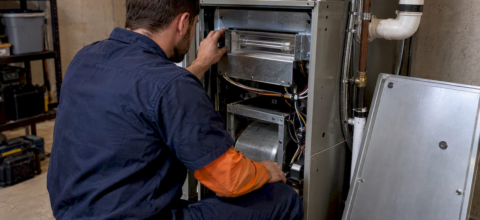
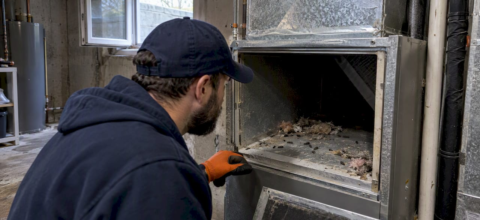
- HVAC air ducts: The network of metal or flexible ducts that carry conditioned air throughout your home.
- Dryer vents: Single exhaust ducts that run from your dryer to the exterior of the home. These carry lint and moisture and are a leading fire hazard when neglected.
- Bathroom and kitchen exhaust vents: Smaller but equally prone to grease and dust accumulation over time.
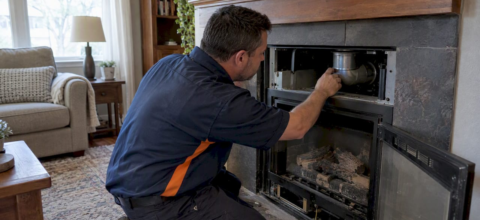
- Chimney flues: Often overlooked in seasonal duct cleaning plans, but critical for homes with fireplaces or gas appliances.
Self-inspection checklist before booking
You do not need professional tools to do a basic walkthrough. Here is what to look for:
- Check vent covers for visible dust buildup or discoloration.
- Hold your hand near active vents to feel for weak or uneven airflow.
- Look behind the dryer for kinks or crushes in the vent hose. Long or complex duct runs trap more lint, increasing both airflow restrictions and fire risk.
- Note any musty or burning smells when the HVAC system runs.
- Check your filter. A clogged filter is a reliable sign that ducts are likely holding debris too.
| Task | What to check | Best season in NY/NJ/CT |
|---|---|---|
| HVAC duct inspection | Dust at registers, airflow quality | Spring (before AC season) |
| Dryer vent check | Vent hose condition, exterior flap movement | Fall (before heavy laundry loads) |
| Exhaust vent review | Grease or dust buildup at covers | Spring or fall |
| Filter condition | Color and clog level | Every 30 to 90 days |
The regional climate here matters. Cold winters mean longer heating runs, which means more dust and particles cycling through ducts from October through March. Spring cleaning then addresses everything that accumulated during the heating season. This is why local home air quality guidance consistently points to a two-season approach.

How to plan and book your vent cleaning appointments
Once you have done your initial check, the actual scheduling process is straightforward. But timing and coordination make a real difference in results.
Step-by-step booking guide
-
Decide your cleaning window. Spring and fall are the ideal seasons for scheduling seasonal duct cleaning. In spring, you clear out winter debris before air conditioning season. In fall, you prepare ducts before heating season starts.
-
Assess your cleaning frequency. For a standard household with no pets and straightforward duct runs, once per year may be enough. However, high-use households or complex vent layouts benefit from cleaning twice annually. If anyone in the home has allergies or asthma, err toward more frequent cleaning.
-
Bundle with other maintenance. If you are already scheduling a spring HVAC tune-up or a fall furnace inspection, add vent cleaning to the same window. This reduces disruption and gives your technician a full picture of system health.
-
Contact providers early. Spring and fall are the busiest windows for HVAC and vent service providers in the tri-state area. Booking four to six weeks ahead almost always gets you better availability and sometimes better pricing.
-
Prepare your home. Clear furniture away from vents and registers. Make sure the dryer area is accessible. Give the technician an honest account of your last cleaning date and any symptoms you have noticed.
-
Ask the right questions. A trustworthy provider should explain their process, including whether they use HEPA vacuums and whether they inspect HVAC components beyond just the ducts themselves.
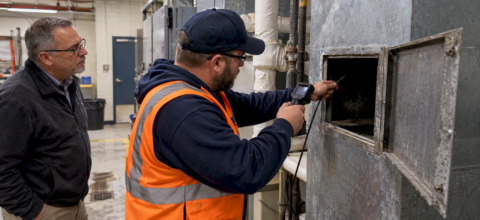
Pro Tip: Ask your service provider if they use camera inspections during the cleaning process. Camera inspections and mechanical agitation are industry-standard practices that ensure contaminants are fully removed, including from bends and hidden sections of ductwork that brushes alone cannot reach.
Scheduling comparison by property type
| Property type | Recommended frequency | Best scheduling window | Key consideration |
|---|---|---|---|
| Single-family home (no pets) | Once per year | Spring or fall | Align with HVAC tune-up |
| Home with pets or allergies | Twice per year | Spring and fall | Check filters monthly |
| Multi-unit residential | Once to twice per year | Fall before heating season | Coordinate with tenant schedules |
| Commercial property | Twice per year minimum | Spring and fall | Plan around business hours |
Understanding how often your air ducts need cleaning is a good starting point before you finalize your vent maintenance schedule. The answer varies more than most homeowners expect.

Common mistakes and how to avoid them
Even homeowners who intend to stay on top of seasonal cleaning make avoidable errors. Here are the most common ones, and what to do instead.
The most frequent scheduling mistakes
Many people schedule vent cleaning based purely on the calendar without checking for signs that cleaning is needed sooner. If your dryer takes more than one cycle to dry a load, if vents smell musty when the system runs, or if the exterior vent flap does not open during operation, these warning signs mean cleaning cannot wait for your next scheduled appointment.
Skipping interim maintenance is another common gap. Professional cleaning addresses accumulated debris, but what happens between visits matters too. Replacing filters with MERV 8 to MERV 13 models every 30 to 90 days significantly slows recontamination. Vacuuming registers and checking the area around the dryer monthly keeps small problems from becoming large ones.
Pro Tip: Never ignore a burning smell from dryer vents. Deep cleaning of the lint trap and vacuuming inside the dryer housing should happen monthly, not just when you think about it. Lint buildup beyond the visible screen is where real fire risk lives.
Maintenance do’s and don’ts
Do:
- Vacuum vent covers and registers monthly.
- Replace HVAC filters on schedule, at least every 90 days and more often with pets or allergies.
- Clean the dryer lint trap after every load and inspect the exterior vent monthly.
- Keep records of every professional cleaning with dates and notes.
- Coordinate HVAC maintenance and vent cleaning on the same seasonal schedule to catch issues early.
Don’t:
- Wait until the HVAC system fails to check your ducts.
- Ignore increased energy bills. Higher bills without a clear cause often point to restricted airflow from dirty ducts.
- Attempt to clean complex or long duct runs yourself. Homeowners frequently underestimate the tools required for effective vent cleaning, particularly in multi-level homes or buildings with long duct runs.
- Forget chimney flues if you have a wood-burning or gas fireplace. These need annual inspection regardless of use frequency.
Verifying the results after your cleaning
After a professional cleaning, you should be able to tell the difference. Knowing what to look for helps you confirm the work was done properly and track your results over time.
-
Check airflow at every register. Walk through the home and hold your hand near each vent with the system running. Airflow should feel noticeably stronger and more consistent than before the cleaning.
-
Observe the first few heating or cooling cycles. A thorough cleaning typically produces cleaner-smelling air within the first one to two cycles. If you still detect musty or dusty odors after 48 hours, contact the provider.
-
Inspect the dryer after the first few uses. Clothes should dry faster and the machine should run at a normal temperature. Cleaning vent systems annually reduces fire risk and measurably improves appliance efficiency.
-
Check your energy usage. Monitor your utility bills over the following 30 days. Improved airflow typically translates to shorter HVAC run times and lower energy consumption.
-
Document everything. Write down the date, the provider name, what was cleaned, and any notes they shared about the condition of your ducts. If they provided a report or photos, keep them. This record becomes your baseline for scheduling annual vent checks going forward and is useful for property managers who need documentation for tenants or building inspectors.
A well-documented vent maintenance schedule also protects you if a future issue arises. Having records demonstrates diligence and can matter in warranty or insurance contexts.
My honest take on seasonal vent cleaning
I have seen the full range of situations in this industry, from homes that have never had their ducts touched in 20 years to property managers who run tight twice-yearly schedules and never deal with emergency repairs. The difference in outcomes is not subtle.
What strikes me most is how often people treat vent cleaning as a reactive task. They call when something is wrong, when the dryer stops drying efficiently, or when someone in the household starts coughing every time the heat kicks on. By that point, the buildup is usually significant, and the cleaning job is more involved than it would have been with regular scheduling.
In the Northeast, the seasonal rhythm is actually your best friend here. The natural break between heating and cooling seasons gives you a logical window twice a year to assess and act. I have found that homeowners who tie their vent cleaning appointments to something they already do, like a spring HVAC tune-up or a fall furnace check, are far more consistent than those who rely on memory alone.
The other thing worth saying clearly is that not all duct systems are the same. Older homes in the region often have longer, more complex duct runs with multiple bends, and those configurations collect significantly more debris. If your home is older or has multiple stories, scheduling twice a year is not excessive. It is appropriate. And if you pair that with a solid filter replacement habit, you will genuinely notice the difference in your air quality.
— Victor
Ready to schedule with Amazonairpro?
If this article has given you a clearer picture of when and how to plan your vent cleaning, the next step is straightforward. Amazonairpro serves homeowners and property managers across New York, New Jersey, and Connecticut with professional air duct cleaning services backed by over 10 years of experience.

The team at Amazonairpro handles everything from residential air duct and dryer vent cleaning to chimney cleaning and commercial duct services, and they use industry-standard processes including HEPA vacuuming and camera inspection. Whether you are booking your first professional cleaning or getting back on a consistent schedule, they make the process simple. You can also review dryer vent cleaning services in NY and NJ if that system needs attention first. Both spring and fall slots fill up quickly in the tri-state area, so booking ahead is always the right move.
FAQ
When is the best time for vent cleaning?
Spring and fall are the optimal windows for scheduling seasonal vent cleaning. These seasons fall just before heavy HVAC use, making them the most effective timing for both air quality and system efficiency.
How often should I schedule professional vent cleaning?
Most households benefit from scheduling annual vent checks, though homes with pets, allergies, or complex duct layouts should schedule twice per year. Frequency also depends on dryer use and duct length.
What are the signs that vent cleaning is overdue?
Longer dryer cycle times, musty odors when the HVAC runs, weak airflow at registers, and higher energy bills are all indicators that your vents need attention sooner than your scheduled appointment.
Can I do vent cleaning myself?
You can handle basic tasks like vacuuming registers and cleaning lint traps, but professional vent cleaning uses tools like HEPA vacuums and camera inspection equipment that most homeowners do not have access to. Complex or long duct runs especially require professional handling.
How do I know the cleaning was done properly?
After professional cleaning, airflow at registers should improve noticeably, odors should clear within a day or two, and your dryer should complete cycles faster. Requesting documentation or a post-cleaning report from your provider is also a good practice.
Recommended
- Step-by-step guide to building a vent cleaning plan – Amazon Air Duct Cleaning
- Seasonal HVAC Maintenance Checklist for Homeowners
- Safe vent cleaning practices to protect your home’s air – Amazon Air Duct Cleaning
- Annual Vent Inspection Checklist: Protect Your Home & Air – Amazon Air Duct Cleaning