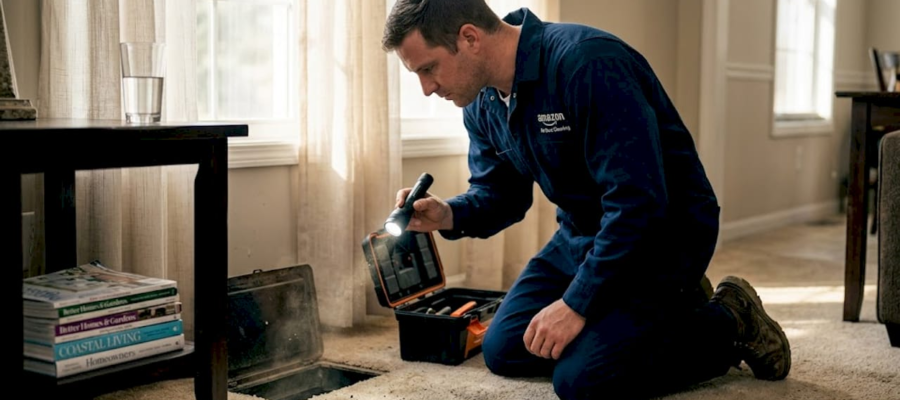
Understand Duct Contamination: What It Means and Why It Matters
TL;DR:
- Duct contamination varies from harmless dust to harmful mold, bacteria, and pests.
- Visible mold, pest activity, and moisture intrusion are key indicators for professional cleaning.
- Routine cleaning isn’t necessary unless specific issues or hazards are present.
Not every dusty vent is a health crisis. That’s a distinction worth sitting with for a moment, because a lot of homeowners and business managers in New York, New Jersey, and Connecticut are either worried about dust that isn’t doing much harm, or they’re overlooking the kinds of contamination that genuinely are. According to the EPA, duct contamination involves the buildup of dust, debris, mold, bacteria, pet dander, pollen, volatile organic compounds (VOCs), and even pests inside your HVAC air ducts and components. Understanding what’s actually in your ducts, and what the real risks are, helps you make smarter decisions instead of reactive ones.
Table of Contents
- What is duct contamination? Definition and causes
- How duct contamination affects indoor air quality and health
- When is duct cleaning necessary? Nuances and red flags
- Steps to prevent and address duct contamination
- Why routine duct cleaning isn’t always the answer
- Get professional duct cleaning you can trust
- Frequently asked questions
Key Takeaways
| Point | Details |
|---|---|
| Duct contamination defined | Duct contamination means harmful buildup, not just dust, affecting HVAC systems. |
| Health risks vary | Only certain contaminants like mold or pests seriously affect indoor air quality and health. |
| Cleaning is not always needed | Routine duct cleaning isn’t necessary without visible contamination or clear warning signs. |
| Expert inspection is best | Professional assessment ensures cleaning is truly needed and prevents damage. |
| Prevention saves time and cost | Good filters, moisture control, and proactive inspections help keep ducts clean and safe. |
What is duct contamination? Definition and causes
Duct contamination is not a single problem. It’s a category. And it covers a wide range of materials that can accumulate inside your HVAC system over time. Some of those materials are relatively harmless. Others genuinely compromise the air you breathe every single day.
The EPA confirms that duct contamination refers to the accumulation of dust, debris, mold, bacteria, pet dander, pollen, VOCs, and pests in HVAC air ducts and components. That’s a broad list, and not all items on it carry the same weight. Light dust buildup is common and largely unavoidable. Mold growth, pest infestations, and chemical residue are a different story entirely.

Where does contamination come from?
Contaminants enter your ductwork through several everyday pathways:
- Outdoor air: Every time your HVAC system pulls in outside air, it brings pollen, mold spores, and particulates along with it.
- Indoor activity: Cooking, cleaning, painting, and even walking across carpet releases particles into the air that eventually settle in ducts.
- Pets: Animal dander and hair are particularly sticky and tend to accumulate in filters and duct surfaces.
- Construction or renovation: Any remodeling work generates drywall dust, insulation fibers, and chemical off-gassing that can coat ductwork extensively.
- Moisture intrusion: Leaky ducts, condensation buildup, or high indoor humidity create the damp conditions mold and bacteria need to grow.
- Pest activity: Rodents and insects can enter ductwork through gaps or unsealed connections, leaving behind droppings and nesting debris.
Both residential homes and commercial buildings face these contamination pathways. But commercial environments often deal with higher occupancy, more frequent temperature cycling, and greater foot traffic, all of which intensify contamination rates and make regular inspection especially important.
Understanding the signs of dirty air ducts early is one of the most practical ways to stay ahead of serious contamination before it becomes a health concern.
| Contaminant type | Common sources | Primary risk |
|---|---|---|
| Dust and debris | Daily activity, outdoor air | Mild irritation (usually low risk) |
| Mold spores | Moisture, leaks, humidity | Respiratory illness, allergic reactions |
| Bacteria | Pest activity, stagnant moisture | Infection risk, especially for vulnerable groups |
| Pet dander and pollen | Pets, outdoor air | Allergy and asthma triggers |
| VOCs | Cleaning products, fresh paint, building materials | Headaches, dizziness, long-term respiratory concerns |
| Pests and droppings | Structural gaps, old ductwork | Contamination, disease risk |
“Not all contaminants in your ducts are equal. Knowing what type you’re dealing with is the only way to decide whether action is genuinely needed.”
How duct contamination affects indoor air quality and health
Once you understand what’s in your ducts, it’s essential to grasp how those contaminants can, and in some cases can’t, impact your indoor air quality. This is where a lot of confusion creeps in, and it’s worth being precise.

The EPA is clear on one key point: light dust poses no confirmed health risk on its own, and routine duct cleaning has not been shown to prevent illness in the absence of visible contamination, mold, or moisture issues. That’s not a green light to ignore your ducts entirely. It’s a reminder that the type and degree of contamination are what matter most.
When contamination becomes a real health concern
The contaminants that consistently show up in health-related cases are mold, bacteria, and VOCs. Here’s why each matters:
- Mold: Mold spores travel through your air supply and can trigger asthma attacks, allergic reactions, and chronic sinus problems. The bigger issue is that mold grows inside ducts when there’s moisture present, meaning you can have active growth long before you notice it.
- Bacteria: Stagnant moisture and pest debris create environments where bacteria thrive. For immunocompromised individuals, this is more than an inconvenience.
- VOCs: These gases come from paint, cleaning agents, adhesives, and building materials. When they settle in ductwork and then recirculate, they contribute to what the industry calls “sick building syndrome” in commercial settings.
Understanding the relationship between HVAC ducts and air quality helps clarify exactly how these contaminants move through your space once they’ve entered your system.
Who is most at risk?
Certain populations experience a much stronger reaction to contaminated indoor air:
- Children, whose developing respiratory systems are more sensitive
- Elderly adults, who often have compromised immune responses
- People with asthma, allergies, or chronic respiratory conditions
- Anyone recovering from surgery or dealing with illness
For these groups, contaminated ducts aren’t just an inconvenience. They can directly worsen symptoms or trigger new ones. That’s one of the most compelling reasons why clean air ducts matter for households with vulnerable members.
Comparison: Contamination risk levels
| Situation | Risk level | Action recommended |
|---|---|---|
| Light dust, no moisture, no mold | Low | Monitor, maintain filters |
| Visible mold inside ducts or on components | High | Immediate professional cleaning |
| Pest droppings or active infestation | High | Pest control plus duct cleaning |
| Recent flooding or moisture intrusion | High | Inspection and remediation |
| High VOC environment (after renovation) | Moderate to high | Ventilation plus inspection |
| Normal use with quality filtration | Very low | Regular filter changes |
Pro Tip: If household members are experiencing unexplained allergy symptoms, frequent headaches, or worsening asthma that doesn’t respond to typical treatment, contaminated ductwork is worth investigating rather than dismissing.
When is duct cleaning necessary? Nuances and red flags
Knowing the risks and impacts, let’s pinpoint when duct cleaning actually makes sense, and when it might do more harm than good.
The National Air Duct Cleaners Association (NADCA) uses a condition-based approach. Simply put, ducts are categorized based on the type and level of contamination present:
- Condition 1: Light deposits of dust and debris. Cleaning is not urgently indicated unless there are other problem signs.
- Condition 2: Moderate contamination with potential mold growth, moisture involvement, or noticeable allergen buildup. Cleaning is warranted and should follow industry standards.
- Condition 3: Heavy contamination involving confirmed mold, significant microbial growth, pest infestations, or major debris buildup. Professional remediation is required.
Understanding when duct cleaning is needed and how to know your ducts need cleaning can save you money and protect your home from unnecessary disturbance of settled debris.
Red flags that shouldn’t be ignored
Some situations call for action regardless of how long it’s been since your last cleaning:
- Visible mold growth inside duct interiors or on other HVAC components
- Active or recent rodent or insect infestation
- Excessive dust or debris being discharged from supply vents
- Musty or unusual odors that worsen when the system runs
- Recent flooding, plumbing leak, or major moisture event near ductwork
- Major renovation or construction within the past six to twelve months
The EPA cautions homeowners that improper cleaning can re-contaminate or damage ducts if not done correctly. This means untrained cleaning, or cleaning performed with the wrong tools, can actually dislodge settled debris and spread it throughout your living space.
The risk of over-cleaning or poor technique
It seems counterintuitive, but cleaning your ducts too aggressively or too often can create problems. Disturbing settled, non-hazardous dust through improper technique releases particles back into the airstream. Using harsh chemical biocides without proper containment or ventilation adds chemical exposure to the air your family breathes. Following home cleaning best practices and the same logic applies to ductwork: method and timing matter just as much as intent.
Pro Tip: Before agreeing to any duct cleaning service, ask to see the inspection report. A legitimate provider will show you photos or video of the duct interior and explain exactly what contamination was found before recommending cleaning.
Steps to prevent and address duct contamination
After understanding when to act, it’s crucial to know the best prevention and cleaning strategies to keep your ducts and air safe.
The EPA is clear that routine cleaning without visible issues is generally not necessary, and much of the dirt in ducts stays put rather than entering your living space. That said, prevention is always smarter and cheaper than remediation.
Prevention strategies that actually work
- Upgrade your air filters: Use filters with a MERV rating between 8 and 13 for residential use. These capture a far higher percentage of airborne particles than standard fiberglass filters.
- Control indoor humidity: Keep indoor relative humidity between 30 and 50 percent. Use dehumidifiers in basements and bathrooms, and fix plumbing leaks promptly.
- Seal duct connections: Loose joints and gaps are entry points for both outside air and pests. A qualified HVAC technician can seal these with appropriate mastic or metal tape.
- Change filters on schedule: In homes with pets or allergy sufferers, monthly changes are often better than the standard quarterly recommendation.
- Vacuum and dust regularly: Reducing the volume of particles in your living space directly reduces what ends up in your ductwork over time.
- Schedule annual HVAC inspections: A professional inspection can identify moisture problems, filter failures, or early mold growth before they escalate.
When visible issues arise: what to do
If you discover mold, pest evidence, or significant debris, follow these steps:
- Stop running the HVAC system until you understand the scope of the problem.
- Call a certified duct cleaning professional for an inspection, not just a quote.
- If mold is confirmed, identify and eliminate the moisture source before cleaning begins. Cleaning without fixing the root cause means the mold comes back.
- Get a written scope of work before any cleaning starts. It should specify the methods, equipment, and which system components will be cleaned.
- After cleaning, schedule a follow-up inspection to confirm the work was done thoroughly and that no contamination remains.
Using a detailed duct cleaning checklist helps you stay organized throughout the process and ensures nothing is missed, whether you’re a homeowner or managing a commercial property.
Hiring a qualified professional matters enormously for both safety and results. Certified technicians use negative-pressure containment equipment that keeps loosened debris from entering your living space during the cleaning process, a critical safeguard that amateur or fly-by-night operators routinely skip.
Why routine duct cleaning isn’t always the answer
Here’s an opinion that might surprise you coming from a duct cleaning company: cleaning your ducts on a fixed schedule, regardless of what’s actually in them, is often unnecessary and occasionally counterproductive.
The EPA’s own research makes it clear that routine duct cleaning in the absence of visible contamination has not been shown to provide health benefits. Much of the dust that settles in ductwork stays right where it is and doesn’t meaningfully enter the breathing space of occupants. That’s the science. And ignoring it to chase revenue from unnecessary cleaning jobs is not something we’re willing to do.
What we do believe, based on over ten years of hands-on experience across New York, New Jersey, and Connecticut, is that evidence-based decisions are always better than fear-based ones. If you have a genuine red flag, confirmed mold, pest activity, or a documented moisture event, professional cleaning following NADCA standards is a meaningful investment in your health and safety. It works. It removes confirmed hazards and reduces the risk of further IAQ problems.
But if someone is trying to sell you a duct cleaning because it’s “been a while” or because they found a little dust on a vent cover, that’s worth questioning. Ask for documentation. Ask for inspection photos. Ask what specific contamination was identified and how cleaning will address it. A trustworthy company will welcome those questions. A company looking to make a quick sale will not.
The smarter path is to read up on expert recommendations for duct cleaning, get a real inspection first, and make decisions based on what your ducts actually contain, not on anxiety or aggressive marketing.
Get professional duct cleaning you can trust
If your inspection reveals real contamination, or if you’re noticing genuine red flags in your home or commercial space, working with a qualified, experienced team makes all the difference in the outcome.

At Amazon Air Duct Cleaning, we’ve spent over a decade serving homeowners and businesses across New York, New Jersey, and Connecticut with honest, standards-based professional air duct cleaning that prioritizes your safety over upselling. Before any work begins, we show you what we find. If you’re not sure whether your ducts need attention, our team can walk you through the signs your ducts need cleaning and help you determine the right next step. And if you decide to move forward, we’ll make sure you know exactly how to prepare for cleaning so the process is smooth and effective from start to finish.
Frequently asked questions
What are signs my air ducts are contaminated?
Common signs include visible mold near vents or inside ducts, musty odors when the system runs, excessive dust discharging from vents, or evidence of pest activity. Light dust alone is generally not a reliable indicator of serious contamination, since dust alone does not carry the same health risk as mold or biological growth.
Does duct contamination always require professional cleaning?
No. The EPA confirms that cleaning is only indicated when visible mold, moisture intrusion, pest activity, or significant biological contamination is present. Light dust buildup in otherwise dry, well-maintained ducts typically does not require professional intervention.
Can dirty air ducts make allergies worse?
Yes, when specific contaminants are involved. Allergens like pet dander, pollen, and mold circulating through your duct system can directly worsen allergy and asthma symptoms, particularly in sensitive individuals. A targeted inspection can identify whether those specific triggers are present.
What is the safest way to clean contaminated ducts?
Always use certified professionals who follow NADCA standards and use negative-pressure containment equipment. The EPA warns that improper cleaning methods can re-contaminate your ducts or cause physical damage to components, creating new problems rather than solving the original one.
How can I reduce the risk of duct contamination?
The most effective steps are maintaining quality air filters with regular changes, controlling indoor humidity levels, scheduling annual HVAC inspections, and sealing any duct gaps or loose connections. The EPA notes that much settled dirt stays in ducts without entering living spaces, so prevention focuses on stopping moisture and biological growth rather than chasing every dust particle.
Recommended
- Understanding Dust in Ducts: Improve Your Home’s Air Quality – Amazon Air Duct Cleaning
- Duct cleaning terminology explained: a homeowner’s guide – Amazon Air Duct Cleaning
- What is duct sanitization? Expert guide to cleaner air – Amazon Air Duct Cleaning
- Recognize Signs Your Ducts Need Cleaning for Healthier Air – Amazon Air Duct Cleaning
- Inline Filter Box High-Efficiency Air Filtration for HVAC & Grow Rooms – AMAZING GARDEN