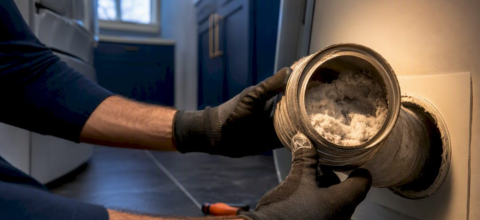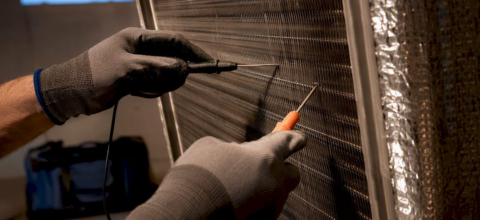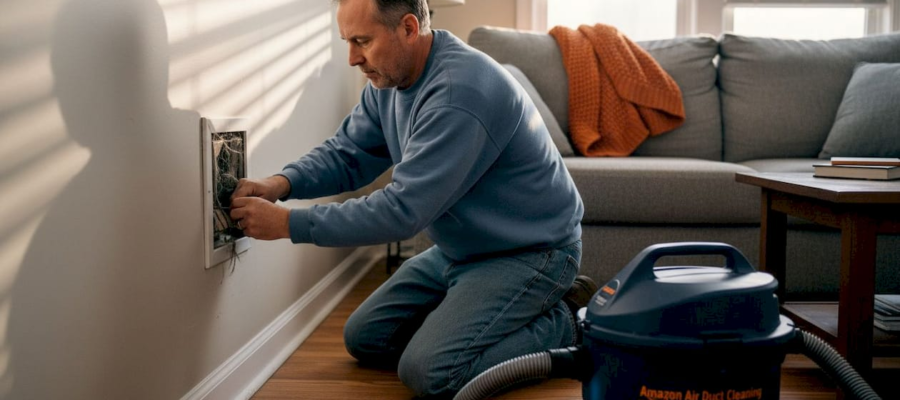
Step-by-step guide to building a vent cleaning plan
TL;DR:
- Neglected vents can cause dust buildup, musty odors, and increased energy bills, impacting air quality and safety.
- Routine inspection and targeted cleaning by professionals are advisable only when visible mold, debris, or pest issues are present; general cleaning offers limited health benefits.
If you’ve noticed more dust on your furniture, a musty smell when the heat kicks on, or utility bills climbing without explanation, your vents could be the reason. For homeowners and property managers across New York, New Jersey, and Connecticut, poorly maintained vent systems are a frequent and often overlooked source of indoor air quality problems. The good news: building a practical, evidence-based vent cleaning plan doesn’t require guesswork. This guide walks you through exactly what to clean, when to clean it, and when to bring in a certified professional.
Table of Contents
- Why vent cleaning matters: Health, safety, and efficiency
- Gathering tools and preparing your vent cleaning plan
- Step-by-step vent cleaning: Do-it-yourself vs. professional
- Troubleshooting and special considerations for tri-state homes
- How to verify your results and set a maintenance schedule
- Our experience: Balancing expert guidance with real-world results
- Need help building or executing your vent cleaning plan?
- Frequently asked questions
Key Takeaways
| Point | Details |
|---|---|
| Clean when needed | Clean vents only if you spot mold, dust buildup, or pests—instead of on a set schedule. |
| DIY has its limits | You can clean vent covers yourself but deep ductwork requires professional tools and expertise. |
| Stay proactive | Annual inspections and filter changes spot problems early and keep air quality in check. |
| Use safe practices | Avoid unapproved chemicals and never try to salvage wet or moldy insulation—replace it instead. |
| Local factors matter | Homes near coastal areas or with older systems in NY, NJ, or CT may need more frequent checks. |
Why vent cleaning matters: Health, safety, and efficiency
Now that you understand the challenges of neglected vents, let’s look at why clean vents matter for your home’s health, safety, and efficiency.
Vents and ductwork act as the circulatory system of your HVAC setup. When they accumulate dust, mold spores, or debris, every heating and cooling cycle pushes those contaminants directly into your living spaces. For residents with allergies, asthma, or other respiratory sensitivities, this is a genuine concern, not just a housekeeping issue. Understanding why vent hygiene matters is the first step toward building a plan that actually protects your household.
Key reasons to take vent cleanliness seriously:
- Health risks: Mold, pet dander, and accumulated dust can circulate through poorly maintained vents and trigger allergy and asthma symptoms, especially in older homes common to the tri-state region.
- Safety risks: Heavy debris buildup near heating elements, or the presence of vermin nesting in ductwork, creates fire and contamination hazards that go beyond inconvenience.
- Energy costs: Restricted airflow from clogged vents forces your HVAC system to work harder, which raises energy bills and shortens the system’s lifespan.
That said, it’s worth being honest about the science here. The EPA recommends cleaning ducts only when there is visible mold growth, substantial dust and debris buildup, or confirmed vermin infestation, noting there is no conclusive evidence that routine cleaning without these conditions produces measurable health benefits.
“Duct cleaning has never been shown to actually prevent health problems. Nor do studies conclusively demonstrate that particle levels in homes increase because of dirty air ducts.” — U.S. Environmental Protection Agency
This is an important counterpoint to the marketing claims you may hear. Many professional organizations in the HVAC industry advocate for proactive cleaning on a fixed schedule, partly because it’s good business. The EPA’s position, however, is that condition-based cleaning is more defensible. Understanding the difference helps you set realistic expectations and avoid spending money where it isn’t needed, while still acting when there genuinely is a problem. Explore proper vent cleaning schedules to see how this balance looks in practice.
Gathering tools and preparing your vent cleaning plan
With the risks and benefits clear, it’s time to get equipped and organized for action.
Before you touch a single vent cover, knowing the limits of DIY cleaning is critical. You can safely clean accessible vent registers and covers yourself, but the interior ductwork is a different story. DIY cleaning is limited to accessible vent covers and registers, which you can vacuum and wipe down on a quarterly basis. Full duct cleaning requires professionals with specialized equipment, including high-powered vacuums and rotary brushes, to avoid pushing debris further into the system or causing re-contamination. Attempting to go deeper without the right tools can make things worse.
Supplies you’ll need for DIY vent cover cleaning:
- Flathead and Phillips screwdrivers to remove vent cover screws
- A vacuum with a brush attachment for initial debris removal
- Microfiber cloths and a mild all-purpose cleaner
- N95 masks and safety glasses to protect yourself during dusty work
- Plastic drop cloths to catch falling debris and protect flooring
- A flashlight to check for visible buildup just inside the duct opening
Here’s a simple overview of what belongs in each category:
| Task | Who does it | Frequency |
|---|---|---|
| Wipe and vacuum vent covers | Homeowner/DIY | Every 1 to 3 months |
| Inspect for visible buildup | Homeowner/DIY | Twice per year |
| Full interior duct cleaning | Certified professional | As conditions warrant |
| Mold or pest assessment | Certified professional | Immediately if suspected |
| Dryer vent cleaning | Certified professional | Annually |
Review residential vent cleaning steps for a more detailed breakdown of what each level of cleaning involves.

Pro Tip: Before removing vent covers, use a piece of tape and a marker to label each cover with the room it belongs to. Vent covers are not all the same size, and mixing them up during reassembly causes gaps that let unfiltered air bypass the system.
Always refer to safe vent cleaning practices before starting any cleaning work, especially if your home was built before 1980 and could have older duct insulation materials.
Step-by-step vent cleaning: Do-it-yourself vs. professional
Once you’ve prepared your tools and plan, you’re ready to tackle the vents. Here’s how, step by step.
DIY vent cover cleaning process:
- Turn off your HVAC system before starting. This prevents debris from being blown around while covers are removed.
- Use your screwdriver to remove each vent cover carefully. Set screws aside in a small container so they don’t get lost.
- Take each cover outside or to a utility sink. Vacuum both sides, then wash with warm water and mild soap. Let them dry fully before reinstalling.
- While the cover is off, shine your flashlight into the duct opening. Look for visible dust accumulation, dark spots that could indicate mold, or any signs of pest activity like droppings or nesting material.
- Use your vacuum’s brush attachment to clean just inside the duct opening, as far as you can comfortably reach without inserting the hose deeply.
- Replace all covers securely. Check that none are loose, as gaps affect airflow and efficiency.
For anything beyond this, you’re looking at professional territory. Full duct cleaning from a NADCA-certified Air System Cleaning Specialist, or ASCS, involves negative pressure vacuum systems that contain debris as it’s dislodged, rotating brush tools that reach the full length of ductwork, and a thorough inspection of coils, blower components, and drain pans. This is not something a household vacuum can replicate.
| Factor | DIY cleaning | Professional cleaning |
|---|---|---|
| Cost | Low ($10 to $30 in supplies) | Moderate to higher ($300 to $1,000+) |
| Scope | Vent covers and registers only | Full duct system, coils, and components |
| Risk of damage | Low if done carefully | Low with NADCA-certified technicians |
| Effectiveness for deep buildup | Limited | High |
| Best for | Routine surface maintenance | Post-renovation, mold, pests, or new HVAC |
Understanding DIY vs professional air duct cleaning will help you make the right call based on your property’s specific condition.
“A trustworthy duct cleaning service provider will open access ports throughout the system to inspect and clean, use vacuum equipment that exhausts outside or uses HEPA filtration, and follow NADCA’s standards.” — NADCA guidelines summary
Pro Tip: Schedule a professional cleaning after any major renovation, after a new HVAC system installation, or any time you see visible mold or evidence of pests. These are the conditions where professional cleaning delivers real, measurable results. You can also reference our guide on removing dust from vents for interim maintenance between professional visits.
Troubleshooting and special considerations for tri-state homes
Proper cleaning is just one part of a sound plan. Here’s how to prevent mistakes and address issues unique to your region.
Homes in New York, New Jersey, and Connecticut face some specific challenges that homeowners in other parts of the country simply don’t deal with to the same degree. Coastal Connecticut properties, for example, are exposed to salt air, which accelerates corrosion in coils and ductwork. If you manage or own property near the shoreline, more frequent inspection of metal duct components is a practical necessity, not an optional upgrade.
Common mistakes and regional pitfalls to avoid:
- Skipping hidden vents: Many tri-state homes, especially older brownstones and multi-family buildings, have vents in attics, crawlspaces, and basement utility areas that are easy to overlook. These are often the first places mold and pest issues develop.
- Failing to dry wet insulation: If duct insulation gets wet, whether from a leak or condensation, it cannot be cleaned and dried effectively. It must be removed and replaced entirely. Attempting to clean or retain it will sustain mold growth.
- Using unregistered chemicals: Some contractors offer to apply sanitizing sprays inside ductwork. This is only acceptable if the product is EPA-registered for that specific use. Applying unregistered chemicals in enclosed duct systems can create new air quality problems rather than solving them.
- DIYing deep ducts: This is one of the most common mistakes. Homeowners push vacuum hoses or brush attachments deep into ductwork without proper containment, dislodging debris that then settles in other parts of the system.
“Biocides and chemical treatments should only be applied if the product is EPA-registered specifically for use in HVAC duct systems. Porous duct lining materials that are wet or contaminated cannot be effectively cleaned and must be removed.” — American Industrial Hygiene Association
Check out our vent cleaning value tips for guidance on how proper maintenance can also protect your property’s resale value, a consideration that matters especially in competitive tri-state real estate markets.
How to verify your results and set a maintenance schedule
Once cleaning is complete, it’s time to ensure the results last and build cleaning into your regular property routine.

After any cleaning, whether DIY or professional, you should verify the work before closing everything up. Start with a visual inspection using your flashlight at every accessible vent opening. Look for remaining visible dust or debris, dark discoloration near duct walls, and any unusual odors when the system runs for the first time. A clean system should move air without musty or stale smells.
Verification and documentation steps:
- Inspect each vent cover and the accessible duct opening immediately after cleaning.
- Run the HVAC system for 15 to 20 minutes at full fan speed and check whether dust is visibly discharged from any vent.
- Check your air filter. A clean duct system combined with a clogged filter still circulates dirty air.
- Note the date, the scope of work completed, and any observations in a simple log. This documentation is valuable for property management records and for tracking how quickly buildup returns.
- Schedule your next inspection based on what you found, using either the EPA’s condition-based approach or NADCA’s recommended interval.
The EPA’s guidance is clear that no routine schedule has been proven to deliver health benefits in the absence of visible problems. NADCA, on the other hand, recommends professional cleaning every three to five years as a proactive measure for indoor air quality and HVAC efficiency. A sensible approach for property managers is to blend both: inspect annually using a NADCA-certified professional, and clean only when inspection findings justify it.
| Task | Frequency | Who performs it |
|---|---|---|
| Replace HVAC air filter | Every 1 to 3 months | Homeowner |
| Wipe down vent covers | Quarterly | Homeowner |
| Full visual vent inspection | Annually | NADCA-certified pro |
| Full duct cleaning | When conditions warrant | NADCA-certified pro |
| Dryer vent cleaning | Annually | Certified professional |
| Chimney cleaning and inspection | Annually | Certified professional |
For a more complete picture of regular vent maintenance steps and understanding the difference between duct and vent cleaning will help you communicate clearly with contractors and avoid paying for services you don’t need.
Our experience: Balancing expert guidance with real-world results
After working with homeowners and property managers across New York, New Jersey, and Connecticut for over ten years, our team has developed a clear perspective on the gap between official guidance and what actually plays out in real properties.
The EPA’s condition-based guidance is genuinely sound, and following it will prevent you from spending money on unnecessary cleanings. That’s worth saying plainly. But here’s what the official guidance doesn’t account for: most serious duct problems, particularly mold behind duct lining, pest nesting in concealed runs, and insulation degradation in older homes, are not visible from the vent opening. You won’t catch them by looking at the register face. This is where the argument for periodic professional inspection, separate from cleaning, becomes compelling.
Tri-state properties have characteristics that push us toward a more proactive but still evidence-driven posture. Older construction in northern New Jersey and parts of Queens often features ductwork that hasn’t been touched in decades. Coastal Connecticut properties deal with humidity and salt exposure that standard guidance doesn’t specifically address. Dense urban buildings in New York City have unique pest pressures. These factors are real, and they shift the risk calculus.
Our honest recommendation: don’t pay for routine cleaning on a fixed schedule just because a contractor suggests it. But also don’t skip the annual inspection. The inspection is where you gather the evidence that justifies or rules out a cleaning. Knowing when to hire pros for vent cleaning is the skill that saves you money while keeping your air genuinely clean.
Pro Tip: If you manage multiple units or have residents with respiratory conditions, elderly occupants, or young children, lean toward annual inspections by certified professionals even if no visible symptoms are present. The cost of a professional inspection is modest compared to the liability and health consequences of a serious problem that went undetected.
Need help building or executing your vent cleaning plan?
If you need help with any step of this process or want a certified pro to handle the job, here’s where to start.
Amazon Air Duct Cleaning serves homeowners and property managers across New York, New Jersey, and Connecticut with professional air duct cleaning services, dryer vent cleaning, and chimney cleaning. Our team brings over ten years of experience to every job, following industry-recognized standards to ensure your system is cleaned thoroughly and safely.

Not sure where to begin? Our duct cleaning checklist walks you through every stage of the process, from initial inspection to post-cleaning verification. Whether you’re managing a single-family home or a multi-unit building, we can help you build a plan that’s grounded in evidence, tailored to your property, and focused on results that last.
Frequently asked questions
How often should I clean my building’s vents?
Clean when you see visible mold, dust, or vermin, otherwise inspect annually and follow the EPA’s condition-based approach rather than a fixed cleaning schedule.
Can I clean vents myself, or do I need a professional?
You can DIY vent covers and accessible registers by vacuuming and wiping quarterly, but interior ductwork requires a professional with specialized equipment to avoid damage or re-contamination.
Are chemicals safe to use in my building’s ducts?
Only use EPA-registered chemicals when genuinely necessary, and never apply them to wet or contaminated porous insulation, which must be removed and replaced rather than treated.
Does regular vent cleaning improve indoor air quality?
There is no conclusive proof that routine cleaning improves air quality in the absence of visible problems, so prioritize filter replacement, moisture control, and addressing specific issues like mold or pests.
Recommended
- Best vent cleaning schedules for properties: keep air safe – Amazon Air Duct Cleaning
- Essential residential vent cleaning steps for healthier air – Amazon Air Duct Cleaning
- Safe vent cleaning practices to protect your home’s air – Amazon Air Duct Cleaning
- Vent cleaning tips for agents to boost property value – Amazon Air Duct Cleaning