Is Vent Cleaning Necessary? A Homeowner’s Clear Guide
TL;DR:
- Vent cleaning is only necessary when there are specific issues like mold, pest infestation, or construction debris. Most homes do not benefit from routine duct cleaning without clear signs of contamination. Proper maintenance focuses on filter changes, coil cleaning, and sealing ducts to improve air quality and HVAC efficiency.
Vent cleaning, known in the industry as air duct cleaning, is not necessary for most homes on a routine basis. EPA guidance confirms that cleaning is only warranted when specific conditions exist: visible mold inside ducts, confirmed pest infestation, or heavy debris restricting airflow. For the average homeowner in New York, New Jersey, or Connecticut, the question of whether vent cleaning is necessary comes down to what you can actually see, smell, and document in your system. Routine cleaning without a clear trigger is not supported by current evidence.

Is vent cleaning necessary for your home?
The short answer is: only under specific conditions. NADCA guidance recommends cleaning only after a justified event, not on a fixed calendar. Three situations consistently meet that threshold.
Visible mold inside the ductwork. Mold on vent registers does not automatically mean mold is inside the ducts. A professional inspection with a camera is the only reliable way to confirm it. If mold is confirmed inside metal ducts, cleaning is warranted. If the ducts are made of fiberglass or lined with porous material, replacement is often the better call.
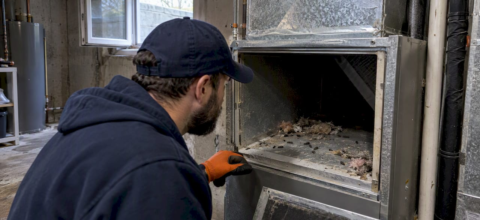
Confirmed pest infestation. Rodent droppings, nesting material, or insect debris inside ductwork create a genuine contamination risk. Cleaning alone is not enough here. Addressing the root entry point is critical, because cleaning without sealing the intrusion source means the problem returns within months.
Post-renovation debris. Drywall dust, insulation fibers, and construction particles can settle deep inside ducts after a major renovation. This is one of the clearest cases where duct cleaning after renovation is genuinely justified. The debris is real, measurable, and can affect both air quality and HVAC performance.
Blocked airflow from heavy debris. If certain rooms receive noticeably less airflow than others and filter changes have not resolved it, debris buildup inside the duct system may be the cause. A professional inspection should confirm this before any cleaning is scheduled.
Pro Tip: Before booking any cleaning service, remove a vent register and shine a flashlight inside the duct. If you see a light coating of dust but no debris, mold, or pest evidence, you likely do not need professional cleaning right now.

Why routine duct cleaning often does not help
Scientific reviews find insufficient evidence that routine duct cleaning improves air quality or HVAC performance in homes without a specific contamination trigger. That finding is worth sitting with for a moment. It means that cleaning ducts on a schedule, without a clear reason, does not reliably produce the health or efficiency benefits that many services advertise.
The EPA and HVAC industry both point to a different set of priorities for maintaining good indoor air quality. These are the maintenance steps that actually move the needle:
- Change air filters regularly. A clogged filter forces your HVAC system to work harder and allows more particulates to circulate. High-efficiency filters, rated MERV 11 or higher, capture significantly more allergens than standard fiberglass filters.
- Clean coils and drain pans. Dirty evaporator coils and standing water in drain pans are the two most common sources of mold growth in HVAC systems. Routine HVAC maintenance that includes coil and pan cleaning addresses the actual contamination source.
- Schedule annual HVAC inspections. A qualified technician can identify duct leaks, aging components, and moisture problems before they become serious. Sealing duct leaks improves energy efficiency more reliably than cleaning the interior surfaces.
- Seal and insulate ducts. Leaky ducts in unconditioned spaces like attics and crawl spaces waste conditioned air and pull in unconditioned, potentially contaminated air. Sealing is a structural fix that cleaning cannot replicate.
- Distinguish dryer vent cleaning from air duct cleaning. These are two entirely different services. Dryer vent lint buildup is linked to thousands of US fires annually, according to the US Fire Administration. Dryer vent cleaning is a genuine safety necessity. Air duct cleaning is not, unless the specific triggers above apply.
Pro Tip: If a contractor tells you that cleaning your air ducts will lower your energy bills significantly, ask for documentation. Duct sealing and insulation produce measurable efficiency gains. Cleaning interior duct surfaces alone does not.
Common myths about vent cleaning effectiveness
Several claims circulate widely about what duct cleaning can and cannot do. Most of them do not hold up under scrutiny.
- “Duct cleaning cures allergies.” Daily household activities contribute more indoor dust than ducts do. Allergy sufferers get more benefit from high-efficiency filtration, regular vacuuming, and humidity control than from duct cleaning alone. For a deeper look at this claim, the article on duct cleaning and allergies breaks down what the research actually shows.
- “Dust in ducts is a major health hazard.” Most dust that settles inside ducts is inert. It does not circulate freely into living spaces the way airborne particles from cooking, pets, or foot traffic do. The impact of dirty vents on indoor air quality is real but often overstated in marketing materials.
- “A $49 special gets the job done.” Effective professional duct cleaning requires industrial vacuum equipment with HEPA filtration and rotary brushes to extract deep debris. DIY methods and low-cost specials only remove surface dust near registers and risk spreading contaminants further into the system.
- “Door-to-door inspections are free and trustworthy.” Door-to-door duct cleaning offers are a recognized red flag. Legitimate companies do not pressure homeowners into same-day decisions. Deceptive sales tactics in this industry include fake mold findings and inflated before-and-after photos.
- “Cleaning fixes mechanical problems.” HVAC technicians confirm that vent cleaning improves airflow when debris is present but will not fix duct leaks, aging components, or undersized systems. If your HVAC is underperforming, cleaning is not the diagnosis.
How to assess your vents and maintain air quality
Knowing when to act starts with a simple inspection you can do yourself. Here is a practical sequence:
- Visual check. Remove two or three vent registers and shine a flashlight inside. Look for visible debris, dark staining that could indicate mold, or any signs of pest activity. A light layer of dust is normal and not a trigger for professional cleaning.
- Sniff test. Turn the system on and stand near a supply vent. A musty or sour smell when the system runs can indicate mold or moisture inside the ductwork. A burning smell suggests a mechanical issue unrelated to duct cleanliness.
- Airflow comparison. Walk through each room while the system runs. Rooms with noticeably weaker airflow than others may have a blockage or leak in that branch of the duct system.
- Filter check. Pull your air filter. If it is gray and clogged after less than 30 days, your system is working harder than it should. Upgrade to a higher-MERV filter and check it monthly.
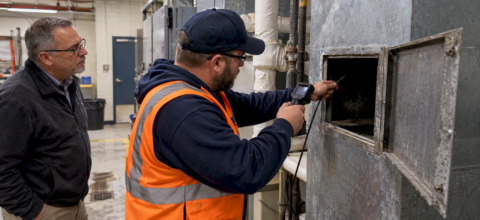
- Call a professional for inspection, not just cleaning. If your visual check raises concerns, contact a qualified HVAC professional for a camera inspection before committing to cleaning. Knowing when cleaning is needed requires documentation, not guesswork.
NADCA recommends cleaning every 3–5 years for homeowners who want a maintenance schedule, but only when the system has been in active use and no other triggers are present. The table below summarizes when to act and when to hold off.
| Situation | Recommended action |
|---|---|
| Visible mold confirmed inside ducts | Schedule professional cleaning and address moisture source |
| Confirmed rodent or insect infestation | Clean ducts and seal entry points before cleaning |
| Recent major renovation with drywall work | Professional post-renovation duct cleaning |
| Light dust on registers, no odor or symptoms | Change filter, skip cleaning |
| Reduced airflow in specific rooms | HVAC inspection first, cleaning only if debris confirmed |
Key takeaways
Vent cleaning is a targeted response to confirmed contamination, not a routine maintenance task, and skipping it without a clear trigger is the right call for most homeowners.
| Point | Details |
|---|---|
| Cleaning is conditional, not routine | EPA guidance supports cleaning only for mold, pests, or heavy debris, not on a schedule. |
| Better maintenance exists | Filter changes, coil cleaning, and duct sealing improve air quality more reliably than duct cleaning. |
| Dryer vents are a separate priority | Dryer vent cleaning is a fire safety necessity; air duct cleaning is not, unless triggers are present. |
| DIY methods fall short | Effective cleaning requires industrial HEPA vacuum equipment, not household tools or low-cost specials. |
| Inspect before you spend | A flashlight inspection and professional camera check confirm whether cleaning is actually needed. |
What 10 years in this industry taught me about vent cleaning
Vent cleaning is one of the most oversold services in home maintenance. I have seen homeowners in New York and New Jersey spend money on cleaning that produced no measurable benefit, because the real problem was a leaking duct in the attic or a clogged coil that nobody bothered to check. The cleaning looked thorough. The system still underperformed.
The honest truth is that most homes do not need duct cleaning more than once every several years, if at all, unless something specific has happened. What they do need is consistent filter maintenance, annual HVAC inspections, and attention to moisture. Those three habits prevent the conditions that make duct cleaning necessary in the first place.
The cases where I have seen cleaning make a genuine difference are real and specific: a family that moved into a home with a prior rodent problem, a homeowner who renovated two floors without sealing the HVAC registers, a building where a drain pan had been leaking undetected for two seasons. In each case, cleaning was one part of a larger fix. It was never the whole solution.
My advice to any homeowner reading this: be skeptical of any contractor who recommends cleaning without first doing a camera inspection or identifying a specific trigger. A trustworthy professional will tell you when you do not need the service. That honesty is worth more than any discount offer.
— Victor
Amazonairpro’s professional duct and vent services
Amazonairpro serves homeowners across New York, New Jersey, and Connecticut with over 10 years of experience in air duct cleaning, dryer vent cleaning, and chimney cleaning. The team does not recommend cleaning without a confirmed reason.

When your inspection reveals a genuine need, Amazonairpro’s professional air duct cleaning uses industrial HEPA vacuum equipment and rotary brush systems to extract debris thoroughly, not just move it around. The team also handles dryer vent cleaning as a separate fire safety service, because lint buildup is a real and preventable risk. If you are unsure whether your home qualifies for cleaning, Amazonairpro’s duct cleaning assessment guide walks you through the specific signs to look for before you book anything.
FAQ
Is vent cleaning necessary every year?
No. NADCA recommends cleaning every 3–5 years at most, and only when a specific trigger like mold, pests, or post-renovation debris is present. Annual cleaning without a clear reason is not supported by current evidence.
Does duct cleaning improve air quality?
Only when contamination is confirmed inside the ducts. Scientific reviews find no consistent evidence that routine cleaning improves air quality in homes without a specific contamination trigger.
How do I know if my vents actually need cleaning?
Remove a register and inspect inside with a flashlight. Visible mold, pest debris, or heavy buildup are legitimate triggers. A light dust coating is normal and does not require professional cleaning.
Is dryer vent cleaning the same as air duct cleaning?
No. Dryer vent cleaning is a distinct fire safety service. The US Fire Administration links dryer vent lint buildup to thousands of US fires annually. Air duct cleaning addresses HVAC ductwork and is only needed under specific conditions.
Can I clean my air ducts myself?
Surface cleaning near registers is possible with a household vacuum, but effective duct cleaning requires industrial HEPA vacuum equipment and rotary brushes to extract deep debris. DIY methods risk spreading contaminants rather than removing them.
Recommended
- Step-by-step guide to building a vent cleaning plan – Amazon Air Duct Cleaning
- Safe vent cleaning practices to protect your home’s air – Amazon Air Duct Cleaning
- Essential residential vent cleaning steps for healthier air – Amazon Air Duct Cleaning
- Why Vent Hygiene Matters for Healthier Homes – Amazon Air Duct Cleaning